What is the city of Quito? An explanation of the reasons for its World Heritage designation, the highlights of the old town, and how to get there.

City of QuitoIt remains in Quito, the capital of the Republic of Ecuador.Colonial-era old townThen, in 1978World Cultural HeritageIt was registered as a World Heritage Site (one of the first 12 sites to be inscribed on the World Heritage List). This article summarizes what the city of Quito is, the reasons for its World Heritage designation, its history and highlights of the old town, and how to get there.
What is the city of Quito?
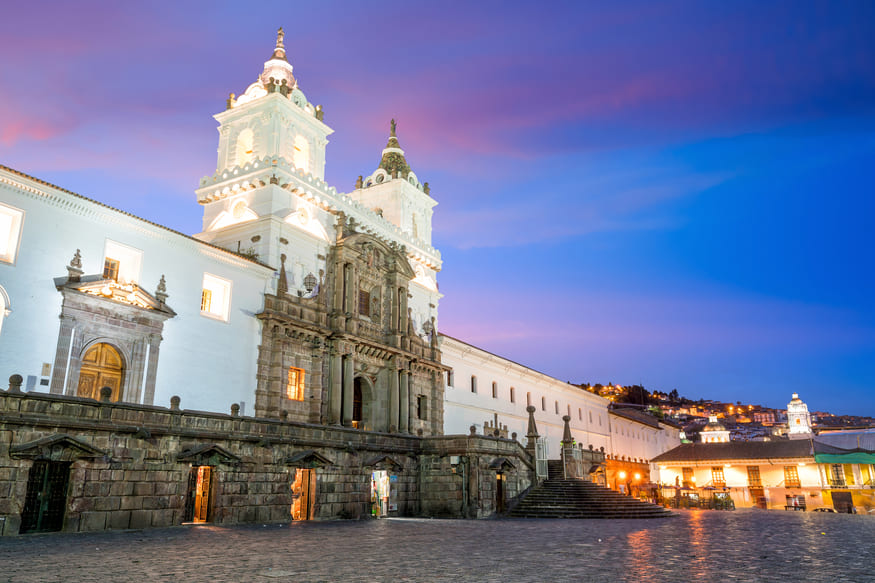
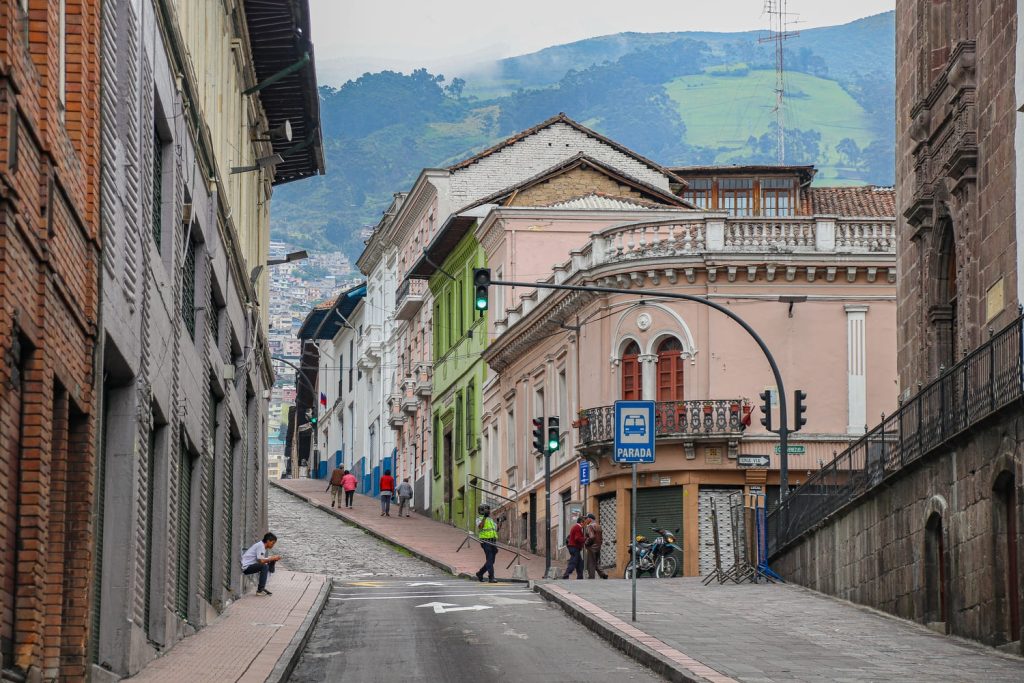
The city of Quito isQuito, the capital of the Republic of EcuadorofHistoric CenterLocated at an altitude of approximately 2,850 meters, it was an important city since the time of the Inca Empire. After being conquered by Spain in the 16th century, it developed as a planned city during the colonial era, and Baroque churches, monasteries, squares, and cobblestone alleys still remain today. The old town stretches for about 3 km from north to south, and representative sights include the Church of La Compañía, the Monastery of San Francisco, and Plaza Grande (Independence Square).
Reasons for being registered as a World Heritage Site
UNESCO values the city of Quito as follows:
- Criterion (ii)Quito's architecture and urban planning gave rise to the "Quito School," a fusion of Spanish colonial style and indigenous Baroque elements, influencing Latin American art and architecture.
- Criterion (iv)The old town is an outstanding example of colonial-era Latin American urban planning and religious architecture.
The city was recognized for its unique artistic style known as the "Quito School" and the well-preserved landscape of its old town.
History and Colonial Cities
Quito was incorporated into the Inca Empire in the 15th century, and after being conquered by the Spanish in the 16th century, it developed as one of the central cities of the Viceroyalty. Religious orders such as the Franciscans and Jesuits built churches and monasteries and decorated them with sculptures and paintings. At its center is Independence Square, surrounded by the Presidential Palace, the Cathedral, and the Archbishop's Palace, with the La Compañía Church (sometimes called the "Jewel of Quito's Baroque") and the San Francisco Monastery. In 1978, along with Krakow, it was registered as one of the first World Heritage Sites in the year the World Heritage Convention came into effect.
Highlights (Old Town, Churches, Squares)
- Independence Square (Plaza Grande)This is the central square surrounded by the Presidential Palace, the Cathedral, and the Archbishop's Palace.
- La Compagnie ChurchThis Baroque church is known for its interior, which is lavishly decorated with gold leaf. Visiting may be subject to a fee and time restrictions.
- San Francisco ConventIt is one of the oldest monasteries in South America, and features a large courtyard and church.
- El PanecilloThis statue of the Virgin Mary stands on a small hill in the old town, offering a panoramic view of Quito.
The old town has a labyrinth of narrow alleys, so daytime sightseeing is recommended, and please keep an eye on your valuables.
Access and basic information
Mariscal Sucre International Airport in QuitoIt takes about 30 minutes to an hour by taxi or bus to get from the station to the old town (this may vary depending on traffic). You can explore the old town on foot. Due to the high altitude, please take it easy upon arrival and remember to stay hydrated and rest. Opening hours and entrance fees for churches and monasteries should be checked on the official websites of each facility.
DetailsUNESCO World Heritage CentrePlease also refer to the information on tourism in Ecuador.
Regarding other World Heritage Sites in Ecuador,Galapagos IslandsPlease also see the related article.
summary
The city of Quito, with its preserved colonial-era churches and streetscapes, is one of the world's first UNESCO World Heritage Sites. While being mindful of the altitude and safety, take your time to enjoy the Baroque art and narrow streets of the old town.