What are the Galapagos Islands? An explanation of their World Heritage status, their wildlife, and access.

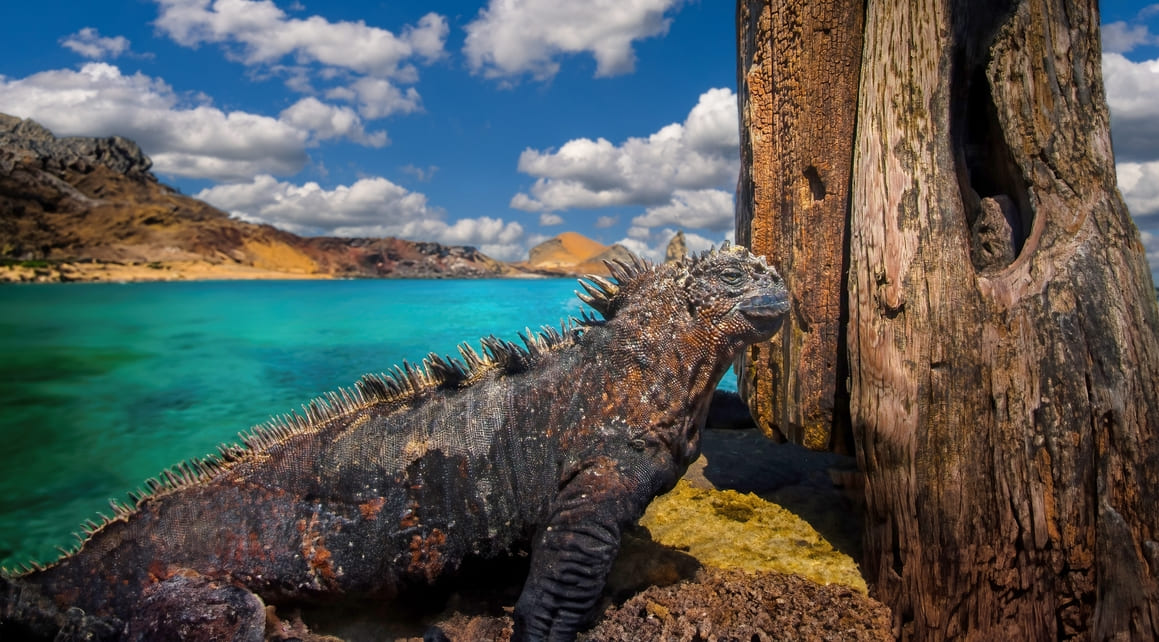
Galapagos IslandsIt is located in the Pacific Ocean off the coast of the Republic of Ecuador.volcanic islandsAnd so, plants and animals that have undergone their own unique evolution inhabit the area, and in 1978World Natural Heritage SiteIt has been registered as a World Heritage Site. This article summarizes what the Galapagos Islands are, the reasons for their World Heritage designation, Darwin and endemic species, and the sights, access, and tours.
What are the Galapagos Islands?
The Galapagos Islands areRepublic of Ecuadorofpacific oceanLocated approximately 1,000 km west of the mainland.Volcanic islandsIt is composed of many islands of varying sizes, and despite being located near the equator, the climate is relatively mild due to the influence of cold currents. Before humans began to settle there in earnest, giant tortoises, iguanas, finches, albatrosses, etc.endemic speciesIt has undergone its own unique evolution. It is also known as the place where Charles Darwin conceived his theory of evolution, and is now strictly managed as a national park and marine protected area.
Reasons for being registered as a World Heritage Site
UNESCO values the Galapagos Islands as follows:
- Criteria (vii)It possesses unparalleled natural beauty, a combination of volcanic landscapes and endemic flora and fauna such as giant tortoises, marine iguanas, land iguanas, finches, and albatrosses.
- Criterion (viii)It is an outstanding example illustrating the formation process of islands through oceanic and volcanic activity, as well as the geological and ecological processes of organism migration and adaptation.
- Criteria (ix)The differences in environment on each island serve as a "living laboratory" for speciation and evolution.
- Criteria (x): It is a globally important habitat for the conservation of biodiversity, including endemic species.
Its unique natural environment and biodiversity, often referred to as an "evolutionary laboratory," have been recognized.
The Island of Nature and Evolution (Darwin and Endemic Species)
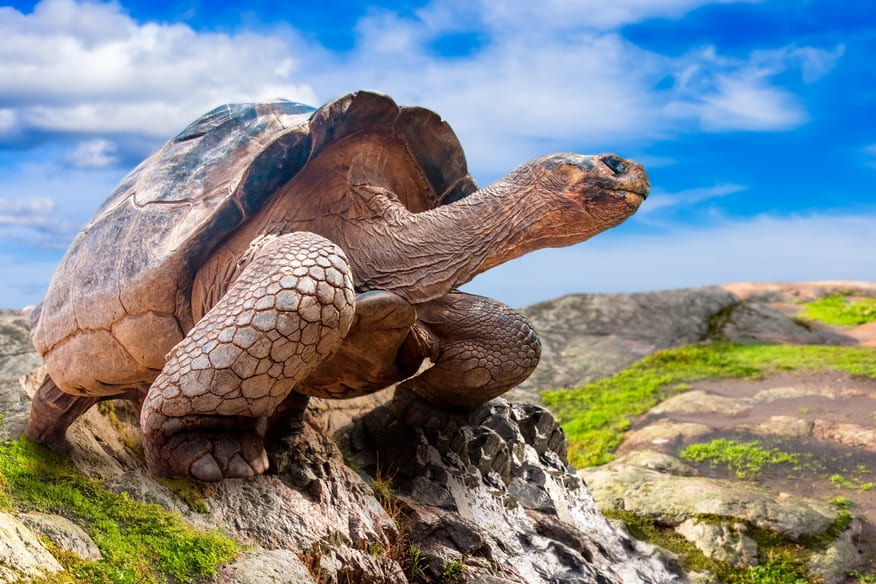
In 1835, Charles Darwin visited the Galapagos Islands aboard the HMS Beagle and observed differences in beak shape among finches on each island, as well as variations in subspecies of giant tortoises. These were later discussed in "On the Origin of Species" as evidence of evolution through natural selection. Today, many endemic species still inhabit the islands, including giant tortoises, marine iguanas, land iguanas, Galapagos penguins, albatrosses, and Darwin's finches. Conservation efforts continue, including the eradication of invasive species and restrictions on tourism.
Highlights (islands, wildlife, diving)
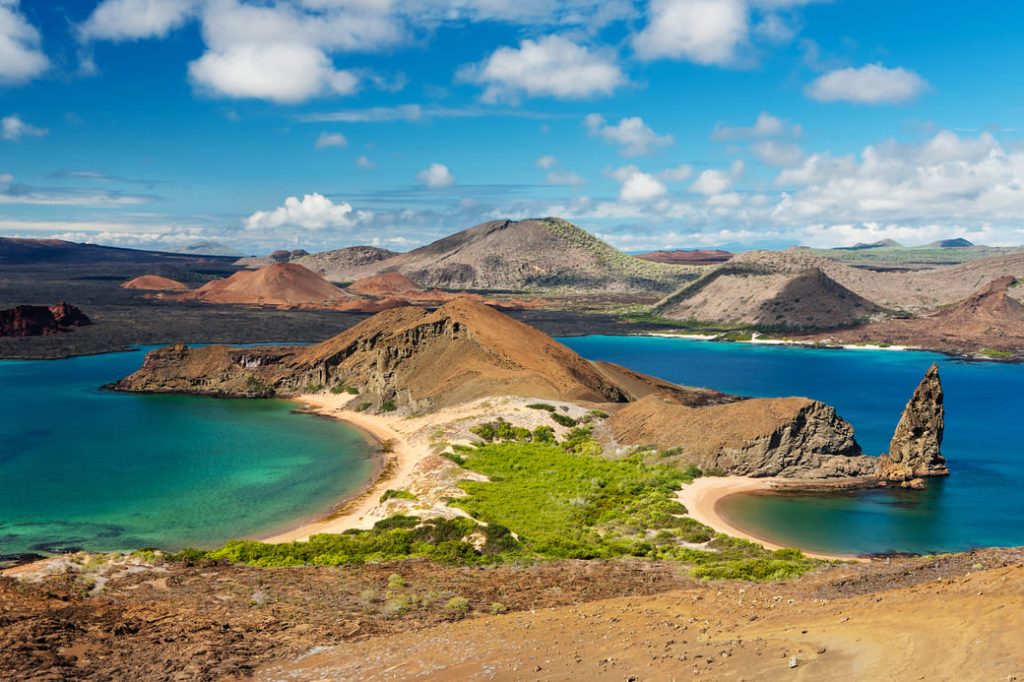
- Santa Cruz IslandLocated near Baltra Island, where the airport is situated, it serves as a hub for many tourist attractions. It is also home to the Darwin Research Station and a habitat for giant tortoises.
- San Cristóbal IslandThere is an airport, and you can see marine lions and boobies up close.
- Landing points on each islandThe animals and scenery vary from island to island. It's common to visit multiple islands by boat cruise or day trip.
- Snorkeling and DivingThere are tours available where you can swim with coral, tropical fish, sharks, marine iguanas, and more. Please follow the rules and avoid touching or getting too close to the animals.
Access and Basic Information (Tours and Regulations)
KitorGuayaquilfromFlight to GalapagosThen, head to the airport on either Baltra or San Cristóbal Island. The flight takes approximately two hours. Landing is limited to designated areas and routes, and a guide is mandatory. The most common options are multi-island cruises or staying on a specific island and participating in day trips. Please check official sources or reliable travel agencies for information on entrance fees (national park fees) and boat/tour bookings.
DetailsUNESCO World Heritage CentrePlease also refer to the information provided by the Galapagos National Park and the Ecuadorian government tourism agency.
Regarding other World Heritage Sites in Ecuador,City of QuitoPlease also see the related article.
summary
The Galapagos Islands are a World Natural Heritage site, a stage for evolutionary theory, and home to many endemic species. Please visit with an awareness of preserving the wildlife and landscape for future generations, while respecting tours and rules.