
What are the Blue Mountains? An explanation of the reasons for their World Heritage designation and their highlights.

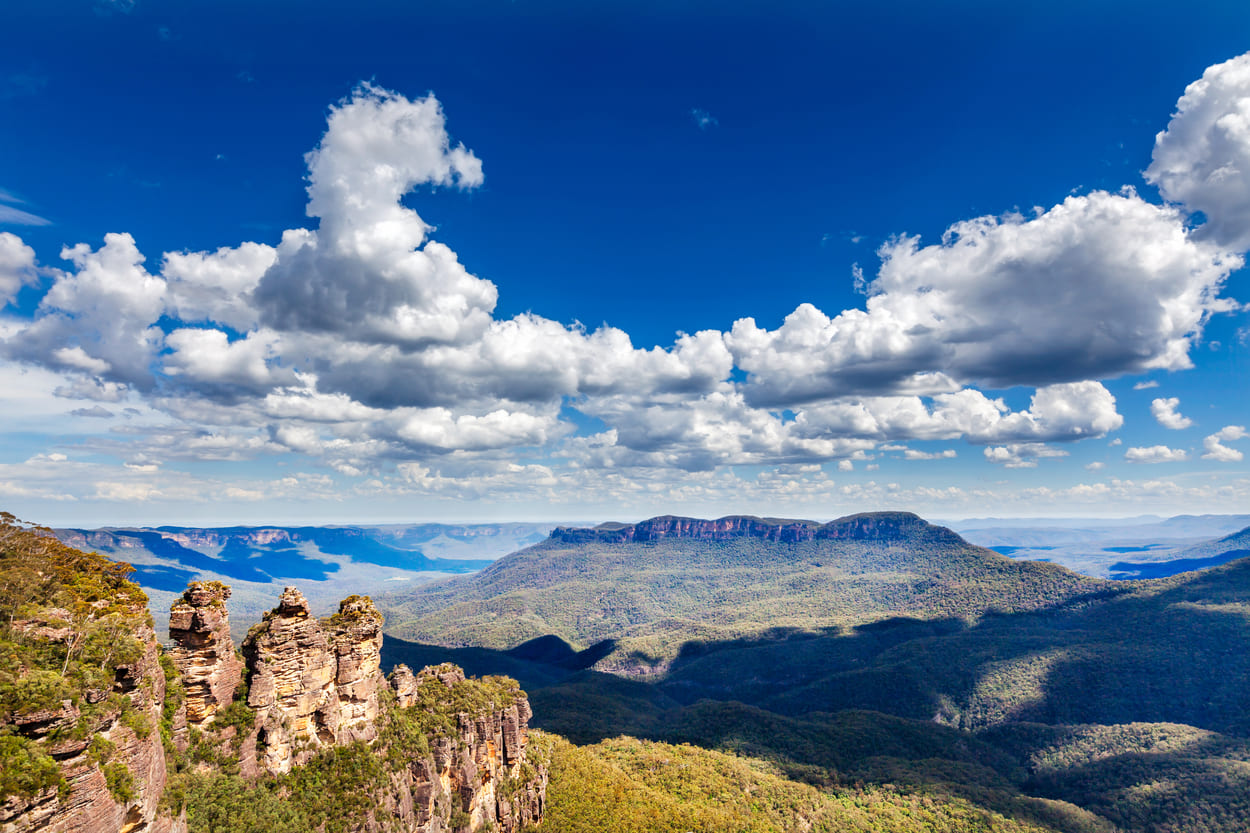
Blue Mountains(Official name:Greater Blue Mountains regionThe Greater Blue Mountains Area is located near Sydney, Australia.World Natural Heritage SiteIt is a vast forest area covering approximately 1.03 million hectares, consisting of eight national parks and protected areas.2000It was registered as a UNESCO World Heritage Site. In Japan, it is often confused with coffee of the same name (from Jamaica), but this isThe very essence of Australia's wilderness.This article explains the reasons for its designation as a World Heritage Site, the scientific reasons why it's called the "Blue Mountains," its attractions such as the Three Sisters, and how to get there from Sydney.
What are the Blue Mountains?
Blue Mountains, AustraliaNew South WalesIt is a mountainous and plateau area that stretches approximately 60 to 180 km west of Sydney. The official name of the World Heritage site isGreater Blue Mountains AreaIt is registered as a collection of the following eight protected areas.
- Blue Mountains National Park
- Wollemi National Park
- Yengo National Park
- Nattai National Park
- Kanangara-Boyd National Park
- Gardens of Stone National Park
- Thirlmere Lakes National Park
- Jenolan Karst Conservation Reserve
The total area isApproximately 1.03 million hectaresThis area is approximately 4.7 times the size of Tokyo (about 220,000 hectares). The landscape, a tapestry of deep valleys, table-shaped sandstone plateaus, waterfalls, caves, and vast eucalyptus forests, is unlike anything else in the world.
Although it's called the "Blue Mountains," even the highest peak is only around 1,200 meters high, so it's not what you would call a high mountain range.A plateau made of sandstoneUnderstanding that it is a deeply eroded canyon region makes it easier to visualize the local scenery.
Reasons for being registered as a World Heritage Site
Blue Mountains2000to UNESCO World Heritage SiteNatural heritageIt was registered as such. UNESCO evaluates it based on the following two criteria (Source:UNESCO World Heritage Centre).
- Criteria (ix)It is an outstanding example of ongoing ecological and biological processes in the evolution and development of terrestrial ecosystems and plant communities.
- Criteria (x): Includes natural habitats that are important and significant in the conservation of biodiversity (especiallyThe center of global diversity in the eucalyptus genus(As)
Blue MountainsApproximately 100 species of the genus EucalyptusIt contains approximately the same number of eucalyptus species worldwide.This corresponds to 13%. From lowland tall forests to mountaintop dwarf shrublands and wetland woodlands, you can observe how eucalyptus trees have adapted and evolved in a diverse range of environments all in one place—it's literally a showcase of eucalyptus evolution.is.
In addition, it was discovered in Wollemi National Park in 1994.Wollemia nobilisThis is a history that has continued since the Jurassic period, approximately 150 million years ago.Living fossilThis coniferous tree, known as 'Thuja orientalis,' has only about 100 trees growing naturally in the world. The fact that this ancient chain of life can still be observed here was a deciding factor in its registration.
The reason it's called the "Blue Mountain"
The name Blue Mountains comes from the fact that, as the name suggests, the mountains areIt appears hazy and blue.This is the point. This is not a romantic metaphor,The physical phenomenon of light scatteringThis can be explained.
Covering the forestEucalyptus leavesforIt contains a large amount of essential oil components (eucalyptus oil), which are released into the atmosphere as tiny oil droplets during warmer months. These oil droplets and fine particles scatter the short-wavelength blue light of sunlight.To achieve this effect, when viewed from a distance, the entire eucalyptus forest appears to be enveloped in a blue veil.
In other words, the blueness of the Blue Mountains is,The scenery created by the eucalyptus forest itselfThe fascinating thing about this heritage site is that its value as a World Heritage Site (eucalyptus diversity) and its appeal as a tourist destination (beautiful blue mountain ranges) both stem from the same vegetation.
Highlights of the Blue Mountains
Three Sisters / Echo Point
The most famous landmark in the Blue Mountains is a mountain with three pointed rock formations.These are the Three Sisters. They are approximately 900m high formations left behind by the erosion of a sandstone plateau.These unusual rock formations are named Meehni, Wimlah, and Gunnedoo, respectively, and their names originate from Aboriginal traditions.
The town that serves as a tourist hub offers a direct view of the Three Sisters.Echo Point, an observation deck in Katoomba.It's a spectacular viewpoint overlooking the Jamison Valley, where the scenery changes constantly depending on the sunlight and mist during the day.
Scenic World (Cable car and trolley train)
Attractions within walking distance of Echo PointScenic World is a cableway skyway that offers aerial views of the valley.It is said to have the world's steepest gradient (maximum 52 degrees).Scenic Railway (Trolley Train)Walking through the temperate rainforest at the bottom of the valleyBoardwalkThis facility combines various elements, allowing even those who find trekking on foot difficult to experience the beauty of the Blue Mountains valleys in a three-dimensional way.
Jenolan Caves
Located at the western edge of the World Heritage areaJenolan Caves are among the oldest cave systems in the world, dating back approximately 340 million years.You can take a guided tour inside and experience the intricate limestone formations and the cool air of the underground waterways. While it's possible to visit on a day trip from Sydney, it takes over three hours each way, so it's recommended to stay overnight and explore it thoroughly.
Wollemi pine (living fossil)
One of the deciding factors in its designation as a World Heritage Site.WolemimatsuIt is not open to the public in order to protect its natural habitat. However, cultivated specimens can be seen in the botanic gardens and some tourist facilities within the area,Jurassic sceneryYou can feel a slight sense of that.
Access and basic information
The base for sightseeing in the Blue Mountains isKatoombain,Approximately 2 hours by train from central SydneyIt's also conveniently located, about 1.5 to 2 hours away by car, making it easy to combine with sightseeing in Sydney.
| item | Contents |
|---|---|
| Base town | Katoomba |
| From Sydney | Approximately 2 hours by train (Sydney Trains T1 / Blue Mountains Line) |
| Admission fee | Blue Mountains National Park is basicallyfree(Some parking lots and facilities are subject to a fee.) |
| Best season | Spring (September to November) and autumn (March to May) are pleasant seasons. Winters are cold, and snowfall is rare. |
| Clothing | Due to its higher altitude, it is cooler than downtown Sydney. A light jacket or cardigan is recommended year-round. |
While major observation decks such as Echo Point are free to visit, individual facilities like Scenic World and Jenolan Caves require an admission fee. Prices and operating hours are subject to change, so please check the latest information on each facility's official website before visiting (as of April 2026).
DetailsUNESCO World Heritage Centre,New South Wales National Parks, andBlue Mountains Tourism (Blue Mountains Australia)Please refer to the following.
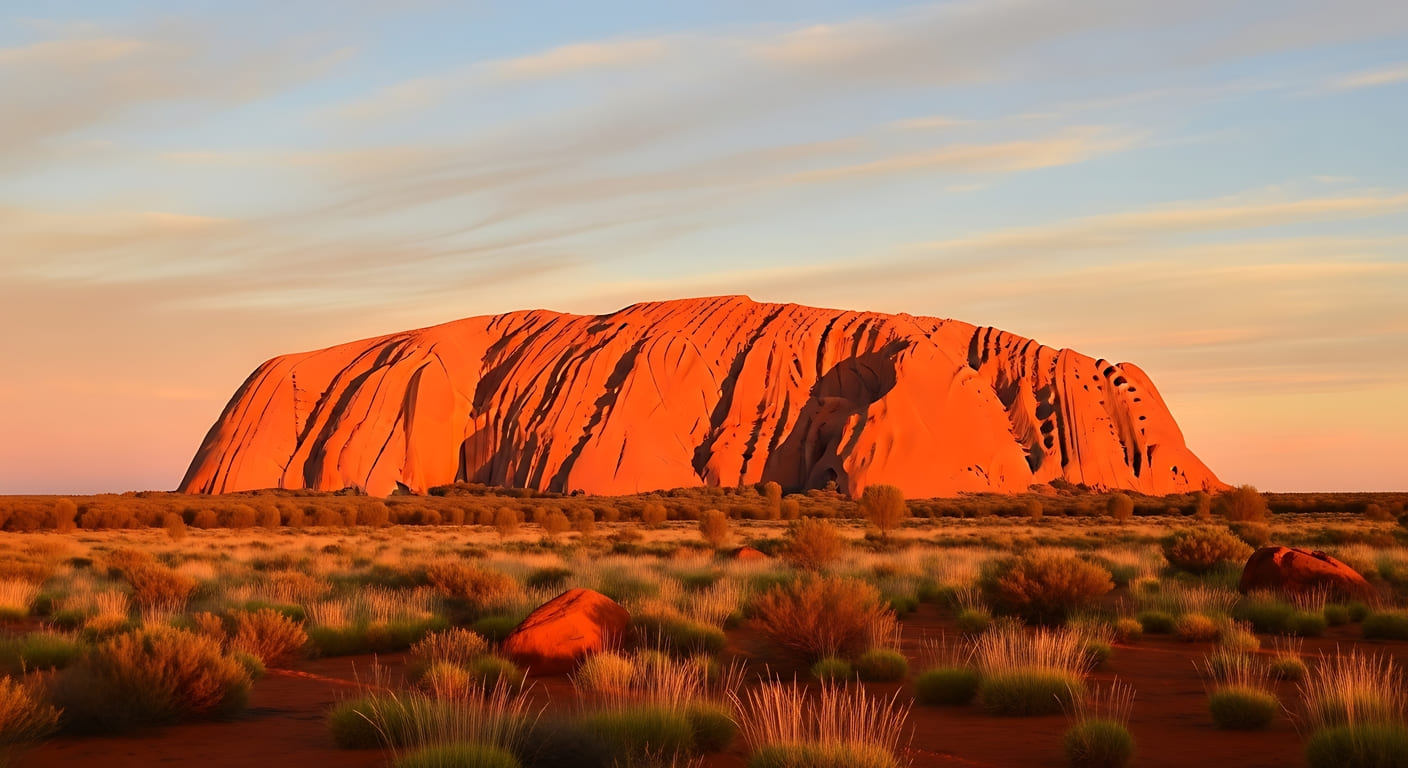
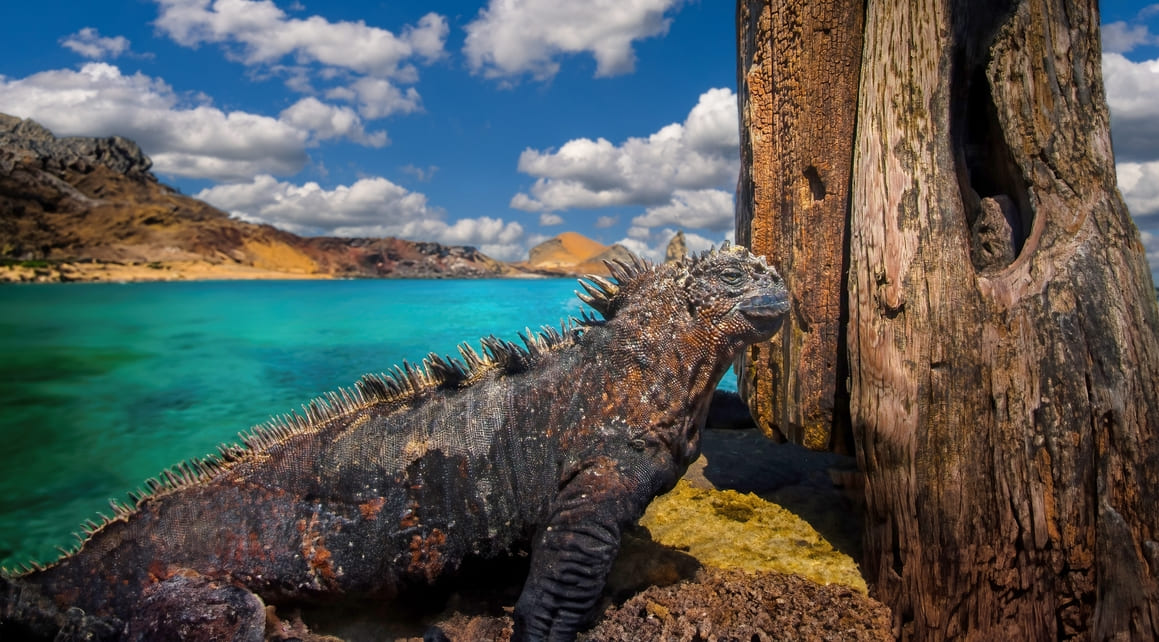
As another World Heritage site in Australia, it's a place you'll want to visit along with sightseeing in Sydney.Sydney Opera HouseA mixed heritage site towering over the central part of the continentUluru-Kata Tjuta National ParkPlease also see the article below. They share the commonality of being natural heritage sites that symbolize biodiversity.Galapagos IslandsI also recommend this.
summary
The Blue Mountains (Greater Blue Mountains region) is a region where blue mountain ranges woven from eucalyptus forests coexist with approximately 100 species of eucalyptus and Wollemi pines that have existed since the Jurassic period.World Natural Heritage SiteThat's right. Not only can you enjoy the breathtaking view of the Three Sisters, but knowing the core reason behind its registration – "why it appears blue" – will make your day trip from Sydney a much deeper experience.

YouTubeI've also released a vlog I made when I actually traveled to the Blue Mountains in 2026! Please check it out for information on how to get there from Sydney, the local atmosphere, and food recommendations.