[Latest] Explanation of all 25 sites newly designated as World Heritage Sites in 2026 | 48th Committee Meeting (Busan)

World Heritage Site 2026 New InscriptionThe results were finalized at the 48th World Heritage Committee meeting held in Busan, South Korea. (UNESCO official) New Inscribed Properties 2026 According toA total of 25 sites have been added to the World Heritage List.(Culture 19, Nature 5, Complex 1)
From Japan**Asuka and Fujiwara PalaceThe designation was approved on July 26, bringing the total number of World Heritage Sites in Japan to five.There were 27 items** (22 in culture, 5 in nature).
This article isAs of July 30, 2026Based on primary sources,Only newly registered heritage sitesThis section provides a list and explanation of the following:
*Japanese name isWorld Heritage Site Certification Exam: New Registration Information for 2026It complies with [the relevant standard].
The final results for the previous yearSummary of new registrations in 2025,Summary of new registrations in 2024Please take a look.
Summary of the 48th World Heritage Committee Meeting
The 48th World Heritage Committee meeting was held.UNESCO World Heritage ConventionThis is an annual meeting to deliberate on whether or not to approve new registrations, based on the above. In 2026...Busan, South KoreainJuly 19th - 29thIt was held on (see:UNESCO 48COM).
The subject of this paper is the committee25 sites have been confirmed for inclusion on the World Heritage List.These are the three cases for which changes to the list of existing heritage sites have been approved. We will not be reviewing the recommendations of the advisory body at the nomination stage or the cases that did not result in registration.
List of new registrations in 2026 (25 total entries)
Official English name and registration criteria are UNESCO New Inscribed Properties 2026 It conforms to the following. The Japanese name isWorld Heritage Certification Exam NotationIt complies with [the relevant standard].
| Name of the heritage site (in Japanese) | Country/Region | classification | Registration Criteria |
|---|---|---|---|
| Works of Alvar Aalto | Finland | culture | (ii) |
| Alamut Castle and Related Fortresses | Iran | culture | (iii) |
| The theaters of the Amazon | Brazil | culture | (ii)(iv) |
| Ancient Buddhist Sites of Sarnath | India | culture | (iii)(vi) |
| Asuka and Fujiwara Palace | Japan | culture | (ii)(iii) |
| Coastal areas of the Normandy landings in 1944 | France | culture | (vi) |
| Gdynia: The heart of a modernist city | Poland | culture | (iv) |
| Jingdezhen Handcrafted Porcelain Industrial Heritage Sites | China | culture | (ii)(iii)(iv)(vi) |
| The Fortresses of Mount Amer | Lebanon | Culture (urgent) | (ii)(iv) |
| The rock-cut mosques of Mangystau and associated holy sites | Kazakhstan | culture | (ii)(iii) |
| Capetian fortresses of Languedoc | France | culture | (iv) |
| Sebastia | Palestine | Culture (urgent) | (iii) |
| Modernist Architecture in Tashkent: Modernity and Tradition in Central Asia | Uzbekistan | culture | (iv) |
| The burial grounds of Xiongnu nobles | Mongolia | culture | (iii) |
| Old towns of the Comoros Sultanate | Comoros | culture | (iii)(iv) |
| Rosa (farms) of São Tomé and Príncipe: Colonial agricultural systems and forced migration | São Tomé and Príncipe | culture | (iv) |
| Italian-style co-owned theater system in central Italy during the 18th and 19th centuries | Italy | culture | (iii) |
| The village of Sidi Bou Said | Tunisia | culture | (iii) |
| Wat Phra Mahathat Woramahawihan in Nakhon Si Thammarat | Thailand | culture | (ii)(vi) |
| Aqaba Marine Reserve | Jordan | nature | (ix)(x) |
| Animal migration landscapes in Boma and Badingiro | South Sudan | nature (emergency) | (vii)(ix)(x) |
| Okefenokee National Wildlife Sanctuary | America | nature | (ix)(x) |
| Fossil assemblages of bony fish from the western Limfjords: Evolution and adaptation to climate in the early Eocene. | Denmark | nature | (viii) |
| Wadi Ulaya | UAE | nature | (ix) |
| Mount Olympus surrounding area | Greece | composite | (vi)(x) |
Japan — Asuka-Fujiwara Palace (Registration confirmed)
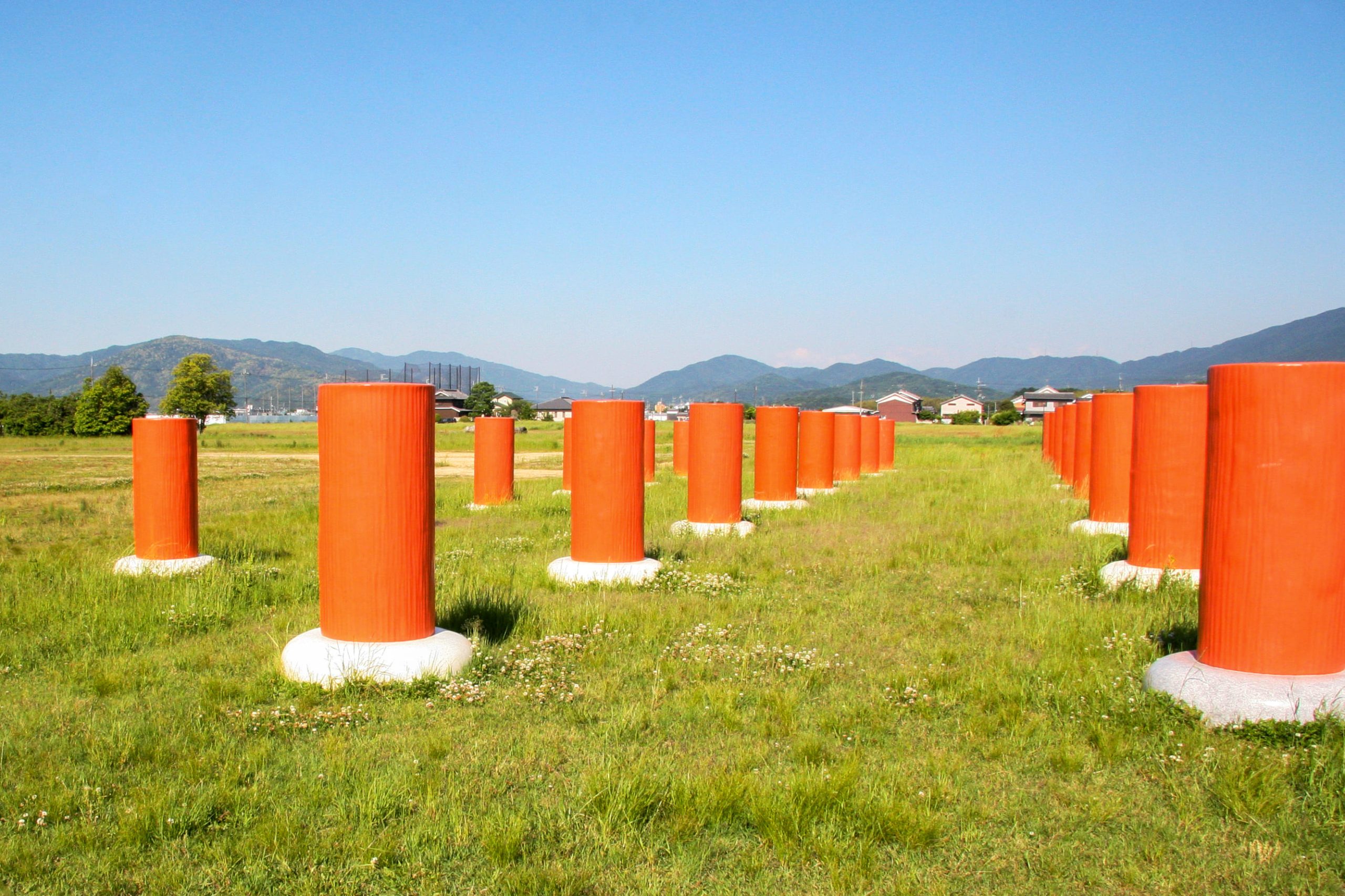
Nara PrefectureAsuka and Fujiwara PalaceOn July 26, 2026, at 10:45 AM (Japan time), the 48th World Heritage Committee meeting announced that the site would be designated a World Cultural Heritage site.The document has been approved** (Agency for Cultural Affairs Press Release).
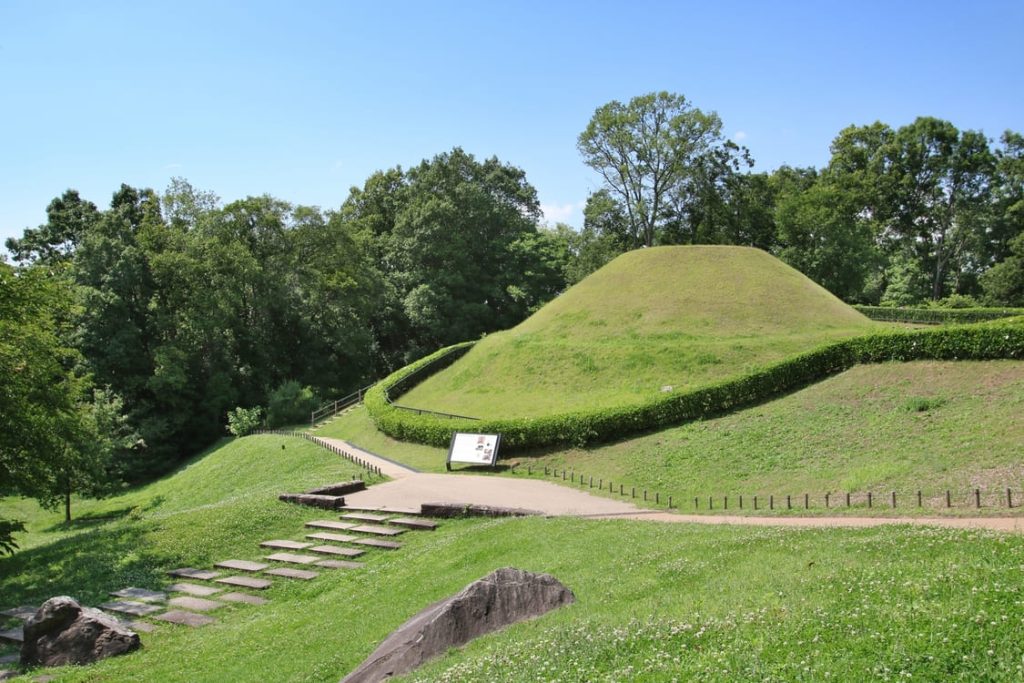
The assets are spread across Kashihara City, Sakurai City, and Asuka Village in the southern part of the Nara Basin.19 component assetsThis is a serial heritage site consisting of palace and government office ruins, Buddhist temple ruins, and tombs, illustrating the process by which a centralized state was formed in the late 6th to early 8th centuries, adopting the Chinese Ritsuryo system. Representative constituent sites include the Asuka-dera Temple ruins, one of the oldest Buddhist temple ruins in Japan, the Asuka Palace and Fujiwara Palace ruins, the Ishibutai Tumulus, the Kitora Tumulus, and the Takamatsuzuka Tumulus.
- Registration Criteria: (ii) (iii)
- Domestic positioning27th World Heritage Site / 22nd Cultural Heritage Site (following "Sado Island Gold Mine" in 2024). Ranks 11th in the world in terms of the number of World Heritage Sites.
- UNESCO Ref.: 1757
For details, highlights, and access information for the 19 constituent properties, see **Individual explanations of the Asuka and Fujiwara palaces**See also: For other World Heritage Sites in Japan,Cultural properties of the ancient capital Kyoto,Itsukushima Shrine,Himeji Castle,Hiroshima Peace MemorialPlease also see the following explanatory articles.
Newly registered cultural heritage sites
The following is an overview of the cultural heritage sites, excluding the two sites registered under emergency procedures (Sebastia and the Citadels of Mount Amer). The three emergency sites will be covered in a separate section below.
Works by Alvar Aalto (Finland)
The official English name is Aalto Works This refers to a collection of modern buildings and architectural works from 1928 to 1988 by architect Alvar Aalto and his collaborators (Aino Aalto, Elissa Aalto, the studio, etc.).13 itemsIt has been registered as a Serial Heritage site. These public, residential, and community buildings, located in both urban and rural areas, are characterized by human-centered and site-specific designs that combine Finnish architectural tradition with international modernism.
The registration criterion is **(ii)**. It is valued as an asset that demonstrates Finland's contribution to the 20th-century modern architectural movement.
Alamut Castle and Related Fortresses (Iran)
Located in the Alborz Mountains of Qazvin Province in northern Iran, Alamut Castle and its associated six fortresses (Lambesar, Nabizarshah, Shams-Qalayh, Kostinelar, Sirkouf, Iran) constitute a serial heritage site. From the late 11th century onward, it functioned as the political, military, and intellectual center of the Nizari Ismaili, and even after the fall of Alamut in 1256, it continued to influence the religious and intellectual history of the region.
The registration criterion is **(iii)**. The network of fortresses spread across the rugged mountainous terrain speaks to the organization and resilience of the Nizari state.
The theaters of the Amazon (Brazil)
There are two constituent assets. In Belém, ParáTeatro da Paz and Piazza della Repubblica, Manaus, AmazonasTeatro Amazonas and San Sebastián SquareIt is an ensemble of theaters and squares built during the "golden age" of the rubber boom (around 1879-1912), featuring French and European style architecture adorned with decorations reminiscent of the Amazon.
The registration criteria are **(ii)(iv)**. It was registered as an urban cultural heritage site that symbolizes the ambition of a port city and state capital, and the wealth and prestige of the rubber boom era.
Ancient Buddhist site in Sarnath (India)
Sarnath, near Varanasi, is one of the four major Buddhist holy sites where Siddhartha Gautama (the Buddha) is said to have given his first sermon (the First Turning of the Wheel of Dharma). Remains of stupas, temples, and monasteries still exist, and it has remained a popular pilgrimage and tourist destination since its rediscovery in the 18th century. The official registered name is... Ancient Buddhist Site of Sarnath It is organized as follows:
The registration criteria are **(iii)(vi)**. The site is valued for its archaeological and architectural remains as a Buddhist holy site, and for its significance as a global pilgrimage site.
Coastline of the Normandy landings in 1944 (France)
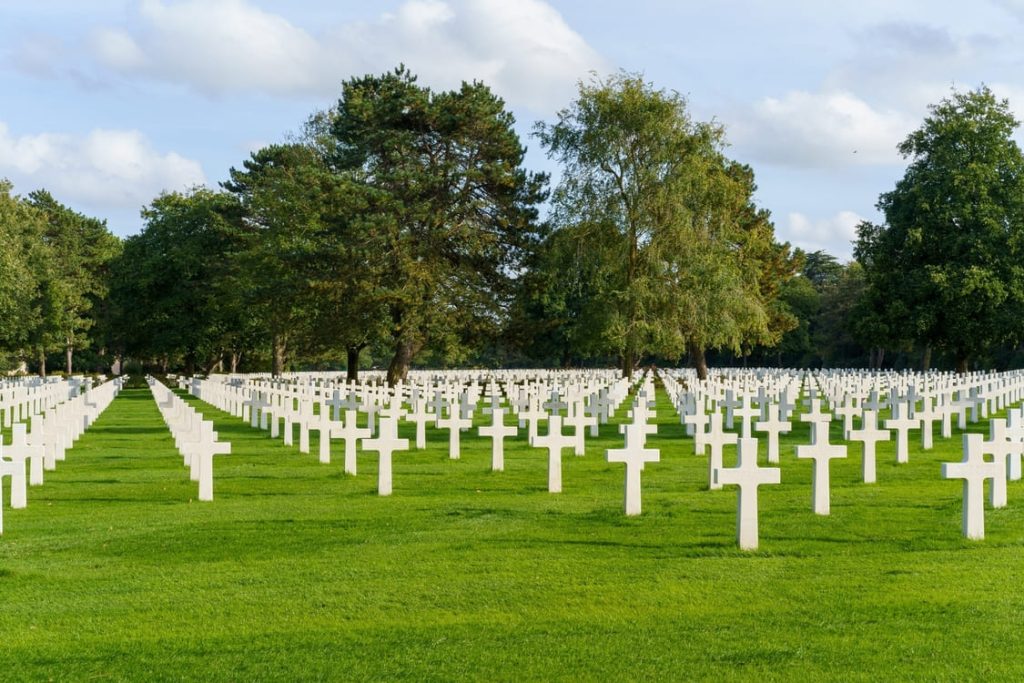
Six component sites (the beaches of Utah, Omaha, Gold, Juno, and Saude, as well as Pointe du Hoc), stretching approximately 80 km along the Normandy coast, have been registered. They encompass battlefields directly related to the Allied landings on June 6, 1944 (the start of Operation Overlord), remnants of the Atlantic Wall, and memorial landscapes (such as the U.S. military cemetery at Coréville-sur-Mer).
The registration criteria are **(vi)**. It is positioned as a cultural landscape that conveys a turning point in World War II and the landscape of its memory. France-relatedThe banks of the Seine River in Paris,Mont Saint-MichelSee also.
Gdynia: The heart of a modernist city (Poland)
The modernist city center of Gdynia, a port city on the Baltic Sea coast, which was formed during the interwar period, has been registered as a World Heritage Site. The city blocks along the main east-west and north-south streets, along with many of the original buildings, demonstrate the urban planning that transformed the city from a fishing village into the maritime gateway of the First Polish Republic.
The registration criteria are **(iv)**. The shift away from historicism and the large-scale application of modernist architecture on a block-by-block basis are being recognized.
Jingdezhen Handcrafted Porcelain Industrial Heritage Sites (China)
This is a serial heritage site (5 component sites) in Jingdezhen, Jiangxi Province, showcasing the evolution of handcrafted porcelain production from the 10th to the 19th centuries. The entire process, from the mining and transportation of raw materials to innovations in kiln design and the spatial and social organization of production, is preserved. It is characterized by a townscape where official and private kilns, guilds, and merchant associations coexisted, as well as technological innovations such as "dual blending."
The registration criteria are **(ii)(iii)(iv)(vi)**. It was registered as an industrial heritage site demonstrating the development and global trade of porcelain technology.
The rock-cut mosques of Mangystau and associated holy sites (Kazakhstan)
The official English name is Rock Mosques and Associated Sacred Sites of Mangystau It is a serial heritage site consisting of rock-cut mosques and a vast cemetery on the Mangystau Peninsula facing the Caspian Sea, and the committee has decided that it is a component site.The four sanctuaries excluding Beckett AtaThe following sites were registered: Chopin Ata, Karaman Ata, Shakpak Ata, and Sultan Epe. These sacred sites developed primarily between the 12th and 14th centuries, associated with Sufi saints, and incorporating ancestor worship and the sanctity of the landscape within a nomadic environment.
The registration criteria are **(ii)(iii)** (criterion (vi), which was included in the nomination, was not adopted in the final decision). The worship spaces carved into the caves, rock faces, and underground, and the living tradition of pilgrimage were highly valued.
Capetian fortresses of Languedoc (France)
The official registered name is Royal Capetian Fortresses of Languedoc This includes the fortress and walls of Carcassonne, as well as Aguilar, Lastours, Montségur, Peyrepertouse, Puylorent, Quéribus, and the fortress of Thermes.8 component assetsIt consists of the following. It shows the defense system in which the Capetian dynasty solidified its territorial control in the 13th and 14th centuries, after the Albigensian Crusade, with the Governorate of Carcassonne at its center.
The registration criterion is **(iv)**. It is valued as a magnificent military structure adapted to a rugged ridge.
Modernist Architecture in Tashkent: Modernity and Tradition in Central Asia (Uzbekistan)
A modernist architectural and urban complex in Tashkent, built during the reconstruction period following the 1966 earthquake (1960s to early 1990s).10 itemsIt has been registered. It has a wide range of functions, including museums, exhibition halls, hotels, residential areas, and cultural and scientific facilities, and is located along the reconstructed city center axis.
The registration criterion is **(iv)**. It is a prime example of late Soviet modernism, which combined industrialized construction and seismic engineering with the local climate, materials, and traditions.
The burial grounds of Xiongnu nobles (Mongolia)
Xiongnu noble tomb complex8 itemsThis is a serial heritage site consisting of [unspecified elements]. It exhibits the burial customs of a nomadic confederation that established power in the Eurasian steppes from around the 3rd century BC to the 2nd century AD, and is characterized by large main burials, circular mound satellite tombs, and paired stone ritual structures.
The registration criterion is **(iii)**. It was registered as an archaeological site that primarily tells the story of the engineering and organizational skills of nomadic cultures and the exchanges along the Silk Road steppe route.
The old towns of the Sultanate era in Comoros (Comoros)
Six historical medinas (old cities) of the Comoro Islands, which developed as urban centers from at least the 11th century and became city-states in the 14th and 15th centuries, and later major cities of the Sultanate, have been registered. They are characterized by a social structure where matrilineal and matrilineal customs, age hierarchies, and Islamic patrilineal traditions coexist, as well as an island city form rooted in Indian Ocean trade and migration.
The registration criteria are **(iii)(iv)**.Comoros' first World Heritage SiteAs a result, the Comoros Union has become a new country with a World Heritage Site.
Rosa (farms) in São Tomé and Príncipe: Colonial agricultural systems and forced displacement (São Tomé and Príncipe)
Colonial-era plantations (rosa) remaining on the islands of São Tomé and Príncipe, primarily focused on coffee and cocoa cultivation.6 itemsThe following areas have been registered: Monte Café, Agua Ize, Diogo Vaz, Sant Joan, Sandi, and Belo Monte. They are characterized by a planned layout that integrates agricultural land, industrial facilities, residential areas, and social facilities.
The registration criterion is **(iv)**. It demonstrates a large-scale colonial agricultural system supported by forced migration labor that continued even after the abolition of slavery.São Tomé and Príncipe's first World Heritage SiteThis means that the country has also become a country with World Heritage Sites.
Italian-style co-owned theater system in central Italy during the 18th and 19th centuries (Italy)
Italian-style condominium theaters from the mid-18th to late 19th centuries, located in Emilia-Romagna, Marche, and Umbria.10 itemsIt has been registered. It features tiered box seating, auditorium seating designed with acoustics and visibility in mind, a foyer, and historical stage equipment, and is notable for being constructed through a joint investment by the local government and citizens.
The registration criteria is **(iii)**. The role of the theater as a public space and the widespread civic culture in small and medium-sized cities are being recognized.
The village of Sidi Bou Said (Tunisia)
This village is located on a cape overlooking the Mediterranean Sea, near Tunis. It developed around the tomb of the 12th-13th century Sufi saint Sidi Bou Said, and is known for its architecture that harmonizes with the cliff topography, its symbolic colors, and its mystical atmosphere.
The registration criteria are **(iii)**. It was registered as a Mediterranean landscape where topography, architecture, and spirituality are integrated (official name: Village of Sidi Bou Saïd).
Wat Phra Mahathat Woramahawihan in Nakhon Si Thammarat (Thailand)
Located in Nakhon Si Thammarat province in southern Thailand, this is a central temple of regional Buddhism, dating back to its founding in the 8th century. Its structure, centered around a chedi (Buddhist monument), integrates influences from diverse religious and architectural traditions, including Brahmanism, Hinduism, Mahayana Buddhism, and Theravada Buddhism, placing it within the history of Southeast Asian religious architecture.
The registration criteria are **(ii)(vi)**. Religious and local traditions that have continued for over 1500 years (such as chronicles, the stupa wrapping ceremony, and Nora dance) are also evaluated.
Newly registered natural heritage sites
The emergency procedure concerning "the landscape of animal migration in Boma and Badingiro" will be addressed in the emergency section below.
Aqaba Marine Protected Area (Jordan)
This marine protected area is located at the northernmost tip of the Red Sea. Coral reefs, seagrass beds, and mesopelagic coral reefs spread out in a mosaic pattern, and it is known as the world's northernmost tropical coral reef system. It is home to heat-tolerant corals adapted to heat waves, high salinity, and high summer temperatures, more than 150 species of hard corals, over 500 species of fish, and 1,000 species of mollusks.
The registration criteria are **(ix)(x)**. Conservation of Red Sea endemic species and the potential for future transnational asset acquisition are also being discussed.
Okefenokee National Wildlife Refuge (USA)
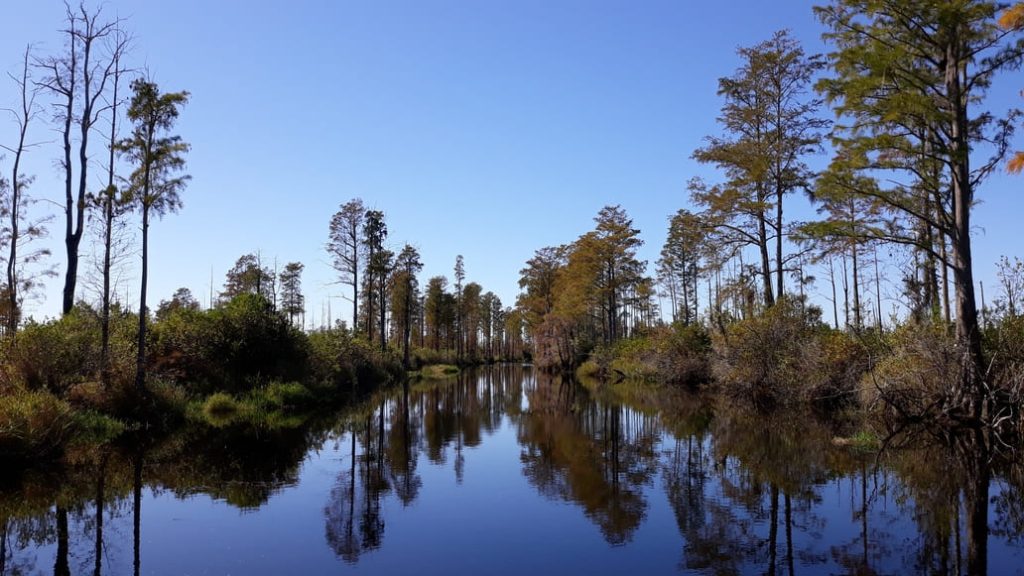
This is one of the largest lowland freshwater peat bogs in the subtropical zone, stretching from southeastern Georgia to northeastern Florida. The interaction of water, fire, vegetation, and wildlife drives peat formation and biodiversity, and it also includes remnants of the endangered longleaf pine savanna.
The registration criteria are **(ix)(x)**. It is recognized as a hotspot of the North American coastal plains, with over 856 plant species, 48 mammal species, 238 bird species, and more.
Fossil assemblages of bony fish from western Limfjords: Evolution and adaptation to climate in the Early Eocene (Denmark)
This serial heritage site consists of the coastal cliffs of Hankrit and Knudeklint in northern Jutland, west of the Limfjord. It is one of the world's leading fish fossil sites, showcasing the early evolution of modern bony fish after the Late Cretaceous mass extinction and the biological response to the Paleocene-Eocene warming maximum (PETM).
The registration criteria are **(viii)**. The rich fossil record preserved in the diatomaceous earth and volcanic ash layers is key to reconstructing the biosphere of the earliest Eocene.
Wadi Ulaya (UAE)
Wadi Ulaya, located in the Hajar Mountains of the Emirate of Fujairah, has been registered as a World Heritage Site. Characterized by its geology of frequently exposed Late Cretaceous ophiolites and its ecosystem of dry forests and shrublands, it includes 1099 recorded species (883 animals and 216 plants), including species that are globally endangered.
The registration criteria are **(ix)**. Its high degree of uniqueness and ecological distinctiveness, including the inclusion of approximately half of Japan's terrestrial mammals and reptiles, is highly valued.
Newly registered mixed heritage sites
Mount Olympus and surrounding areas (Greece)
Mount Olympus, the highest peak in Greece, and its surrounding area,Mixed HeritageIt has been registered as [a specific geographical feature]. The steep mountains near the sea have given rise to diverse topography, climate, and vegetation, and it has been a symbol of civilization as the dwelling place of the twelve gods in ancient Greek mythology. The natural landscape is also remarkable, including glacial cirques, limestone cliffs, karst formations, and ridges and canyons that show neotectonics.
The registration criteria are **(vi)(x)**. The connection between mythology and civilizational history (culture) and the glacial refuge and Mediterranean plant diversity hotspot (nature) are evaluated as a whole.
Estates registered under emergency procedures
According to UNESCO, the following three sites have been inscribed on the World Heritage List through emergency procedures:at the same timeList of World Heritage in DangerAlso mentionedIt was done (see:Facing major threats…).
The following article provides a more detailed explanation of endangered heritage sites, but here we will introduce three sites that were registered through emergency procedures.
Animal migration landscape in Boma and Badingiro (South Sudan)
This natural heritage site comprises Boma National Park, Badingiro National Park, and the surrounding floodplains and savannas. Located at the intersection of the Sudd wetlands and the east Sudanese savanna, it is known for its landscape that supports the migration of large mammals, including white-eared knobbed lizards, Tian lizards, and triggerfish gazelles, estimated at around 6 million individuals.
The registration criteria are **(vii)(ix)(x)**.South Sudan's first World Heritage SiteAs a result, the country has also become a new holder of World Heritage sites. Emergency procedures and simultaneous inscription as a World Heritage in Danger were carried out against the backdrop of the risk of disruption of travel routes due to climate change and development.
Sebastia (Palestine)
This is an archaeological site near Nablus on the West Bank. Relatively clear archaeological traces remain, showing layers of history from at least the 9th century BC, through the Kingdom of Israel at Samaria-Sebaste, to the Hellenistic, Roman, Byzantine, Islamic, and even Crusader and Ottoman periods.
The registration criterion is **(iii)**. Given the risk of damage under conflict, it was registered through an emergency procedure and simultaneously inscribed on the List of World Heritage in Danger.
The fortresses of Mount Amer (Lebanon)
The official English name is Mount Amel Castles It is a serial heritage site consisting of five fortresses (Karak al-Shaqif-Beaufort, Tibniin, Shakla, Deir qifa, Shama, etc.) spread across the Amer Mountains (Jabal Amer) region of southern Lebanon. From the Middle Ages to the 19th century, Crusaders, Ayyubids, Mamluks, Ottomans, and local lords occupied and renovated them, forming a regional defense and governance network.
The registration criteria are **(ii)(iv)**. In June 2026, it was added to the deliberation as an emergency case, and both registration and inscription as a World Heritage Site in Danger were carried out.
Related — Approval of changes to existing World Heritage sites (3 cases)
In addition to the 25 new sites, the following changes have been approved for existing World Heritage sites:UNESCO New Inscribed Properties).
Gebol: South Korea's tidal flats (Phase 2) — Significant boundary changes
This is an expansion of "Gebol: Korean Tidal Flats," registered in 2021, by adding component sites. It incorporates areas that further represent the diversity of the tidal flat ecosystem in the eastern Yellow Sea (estuaries, open ocean, archipelago, and semi-enclosed areas). The registration criteria are **(x)** (the year of inscription is based on the existing site).
Modernist public housing in Berlin — A significant shift in boundaries
Registered in 2008 as "Modernist Public Housing in Berlin",Waldsiedlung ZehlendorfThis is an expansion that adds the period (1926–1932). Integration with woodlands, transportation infrastructure, flat roofs throughout, color principles, and sculptural facades complement the existing six residential areas. The registration criteria are **(ii)(iv)**.
Garamba National Park — Changes to registration criteria
Regarding Garamba National Park, which was registered in 1980, from the previous criteria **(vii)(x)** (ix)(x) The re-nomination (with revised criteria) has been approved. The forest as a transitional zone between the Guinea-Congo forest and the Sudanese savanna—the savanna mosaic, ecological processes such as fire, herbivory, and seasonal flooding, and the rich macro-mammal fauna have been re-evaluated.
Related — List of World Heritage in Danger and Name Change
Although it falls outside the scope of the 25 new registrations, the committee also handles additions and removals from the List of World Heritage in Danger and changes to the English names of existing properties.World Heritage Examination Materials).
- Listed on the List of World Heritage in Danger (6 items): Historic Quarter of Paramaribo (Suriname), Ancient Cities of the Tauric Peninsula and Chola (Ukraine), Phoenician City of Tyre (Lebanon), and the Animal Migration Landscape at Boma and Badingiro, Citadels of Mount Amer, Sebastia, listed concurrently with the urgent inscription. The total number of World Heritage in Danger is58 items
- Removed from the List of World Heritage in Danger (1 item)Vienna's historic district (Austria)
- Name changeThe English name of the Monastery of Horezu (Romania) is derived from Monastery of Horezu. Hurezi Monastery へ
In addition, the United Comoros, the Republic of South Sudan, and the Democratic Republic of São Tomé and Príncipe have become new World Heritage sites, bringing the total number of countries and regions with World Heritage sites among the 196 signatory states to [number missing].173This is what happened.
summary
2026New World Heritage Site RegistrationThis was at the 48th World Heritage Committee meeting in Busan.Total 25 items(Cultural 19, Natural 5, Mixed 1) has been confirmed, and the total number of World Heritage Sites is1,273 itemsThis is what happened. From Japan **Asuka and Fujiwara PalaceThe designation was approved on July 26, bringing the total number of World Heritage Sites in Japan to five.The total number of nominations reached 27. In addition, two boundary expansions for existing heritage sites and one change to the registration criteria were approved. The next (49th) event is scheduled to be held in Istanbul, Turkey in 2027.
This article is the final version and only covers registered and approved cases. For primary information verification, please see below. UNESCO New Inscribed Properties 2026,World Heritage Committee 2026,World Heritage Site Certification Exam: Newly Registered Sites in 2026 (PDF) Please see the results from the previous year.Summary of new registrations in 2025,Summary of new registrations in 2024Please also check this out.
Reference (July 30, 2026): Agency for Cultural Affairs Resolution on the Asuka and Fujiwara Palaces,Summary of the resolution (PDF)UNESCO 48th session,New Inscribed Properties 2026,World Heritage Committee 2026,World Heritage Site Certification Exam: Newly Registered Sites in 2026,Draft Decision 48 COM 8B.20 (Mangystau)