What was the Asuka-Fujiwara Palace? Designated as a World Heritage Site in 2026 | 19 Component Sites and Reasons for Inscription

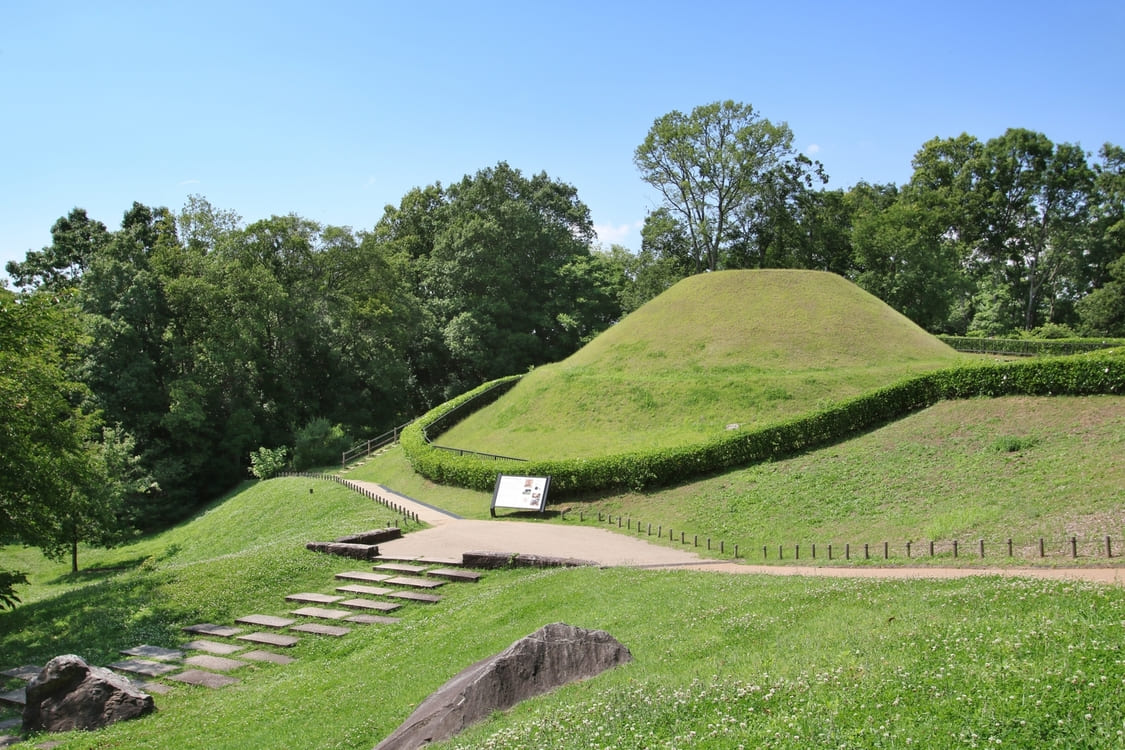
Asuka and Fujiwara PalaceAncient Capitals of Asuka and Fujiwara was designated a World Cultural Heritage site at the 48th World Heritage Committee meeting held in Busan, South Korea, on July 26, 2026.Registration (listing) has been decided.I did. Japan's World Heritage Sites are27 items(This includes 22 cultural heritage sites.)
This article will cover the key points of the registration resolution, registration criteria, and official information.19 component assetsWe will organize the highlights and access information based on primary sources from the Agency for Cultural Affairs and UNESCO.
The total number of new registrations in 2026 is:Summary of New World Heritage Sites Registered in 2026Please also see the following.
Key points of the registration decision
| item | Contents |
|---|---|
| Asset Name | Ancient Capitals of Asuka and Fujiwara |
| Resolution category | "Inclusion" in the World Heritage List |
| Registration Criteria | (ii) (iii) |
| Constituent assets | 19 items (serial heritage) |
| location | Kashihara City, Sakurai City, and Asuka Village, Nara Prefecture |
| UNESCO Ref. | 1757 |
What was the Asuka-Fujiwara Palace?
Asuka and Fujiwara PalaceThis cultural heritage site is spread across the cities of Kashihara, Sakurai, and Asuka in the southern part of the Nara Basin. Its English name, Ancient Capitals of Asuka and Fujiwara, literally translates to "Ancient Capitals of Asuka and Fujiwara," and for a long time in Japan, it has been recommended and reported under the name "Asuka-Fujiwara Palace."
From the end of the 6th century (around 588) to the beginning of the 8th century (around 710), it flourished as the political and cultural center of Japan.Asuka PalaceandFujiwara PalaceThe remains of,19 component assetsThis is a collection of serial heritage sites. It includes palace and government office ruins, Buddhist temple ruins, and tombs, and was established through exchanges with mainland China and the Korean Peninsula.Ritsuryo systemThese ruins are positioned as evidence of the process by which a centralized state system (with the Emperor at its apex) was established.
Reasons for inscription as a World Heritage Site (criteria ii and iii)
The 48th World Heritage Committee resolved to include the site on the World Heritage List based on evaluation criteria (ii) and (iii). The summary of the evaluation criteria in the resolution summary published by the Agency for Cultural Affairs is as follows:
- Criterion (ii)This demonstrates exchanges with mainland China and the Korean Peninsula, as well as the introduction of Buddhism, which had a significant cultural impact on later generations.
- Criterion (iii)This provides important physical evidence illustrating the formation process of ancient East Asian capitals based on a centralized system, based on the changes in the location, layout, relationships, and composition of palaces such as Asuka Palace and Fujiwara Palace.
According to the Agency for Cultural Affairs' summary document, this property is a group of archaeological sites (6th to 8th centuries) of the imperial capital of an ancient state that first emerged in the Japanese archipelago through exchanges with mainland China and the Korean Peninsula, and which continued to exert a cultural influence in later generations. It is positioned as illustrating the birth and establishment process of a centralized system through the transformations of two imperial capitals.
Later Heijo-kyo (Cultural properties of the ancient capital Nara) and Heiankyo (Cultural properties of the ancient capital KyotoThis serves as an important starting point for understanding the history of Japan's capitals, leading up to the present day.
The advisory body ICOMOS had recommended (I) registration under criteria (ii) and (iii) prior to the committee meeting, and the committee resolution was in line with this recommendation to "introduce".
source: Summary of the World Heritage Committee Resolution concerning "Asuka-Fujiwara Palace" (Attachment 1)
Recommendations (preservation) attached to the committee resolution
In conjunction with the resolution described, the Contracting Parties may consider the following:RecommendationsIt is being done.
- The Three Mountains of Yamato and the Visual AxisThe interpretation plan recognizes the importance of the Yamato Three Mountains in the selection of the location for Fujiwara-kyo, and protects important visual axes through field of view analysis and heritage impact assessment.
- Murals of the Kitora and Takamatsuzuka Tumuli: Preservation of important murals that have been removed andReturn to original positionTo continue scientific research on this matter.
- Designation of the Fujiwara Palace Site as a Historic SiteTo ensure the earliest possible completion of the historical site designation, the necessary consultation process will be continued.
- Risk and crisis responseDevelop and implement specific risk preparedness and crisis response strategies for the entire serial asset portfolio through a management system.
- Monitoring of traffic vibrations: Monitor vibrations in properties where nearby traffic could affect preservation.
- Explanation (Interpretation): To further improve and implement the implementation policies and plans based on existing strategies.
- Local community: Clarify how the rights of local residents and users of temples and shrines are effectively incorporated into the management plan.
Not only was it "registered," but also the preservation of the murals and the completion of the designation as a historical site.They are something we will continue to protect.Keeping this in mind will deepen your understanding of the situation on-site.
19 official constituent assets
The constituent properties listed by the Agency for Cultural Affairs and the Cultural Heritage Online are as follows:19 Results(3 categories).
The locations are listed according to the municipal divisions in the summary document of the Agency for Cultural Affairs resolution (Kashihara City, Sakurai City, Asuka Village). Please check the official websites of the local government or council for specific place names before visiting.
Palace/office ruins (5 items)
| No. | name | City or town where it is located | point |
|---|---|---|---|
| 1 | Asuka Palace Site | Asuka Village | The center of the Asuka period palace |
| 2 | Asuka Palace Site Garden Pond | Asuka Village | Remains of gardens and ponds attached to the palace |
| 3 | Asuka Mizuochi ruins | Asuka Village | Known as a site related to water clocks. |
| 4 | Sakafuneishi ruins | Asuka Village | Representative of the stone structures of Asuka |
| 13 | Fujiwara Palace Site | Kashihara City | The vast site of the Fujiwara-kyo palace, where the main hall and inner palace once stood. |
Sites of Buddhist temples (7 locations)
| No. | name | City or town where it is located | point |
|---|---|---|---|
| 5 | Asuka-dera Temple Ruins | Asuka Village | The site of Japan's oldest Buddhist temple (Hokkoji Temple) |
| 6 | Tachibana-dera Temple Ruins | Asuka Village | Temple ruins associated with Prince Shōtoku |
| 7 | Yamada Temple Ruins | Sakurai City | Remains of a full-fledged temple from the Asuka period |
| 8 | Kawara-dera Temple Ruins | Asuka Village | One of the four major temples of Asuka |
| 9 | Hinokuma Temple Ruins | Asuka Village | Temple ruins associated with immigrant clans |
| 14 | Ruins of Daikandaiji Temple | Kashihara City and Asuka Village (partially) | Site of a large temple from the Fujiwara-kyo period |
| 15 | Ruins of Hon-Yakushi-ji Temple | Kashihara City | The predecessor of Yakushi-ji Temple before its relocation to Heijo-kyo |
Tombs (7 items)
| No. | name | City or town where it is located | point |
|---|---|---|---|
| 10 | Ishibutai Kofun | Asuka Village | Known for its massive granite burial chambers |
| 11 | Shobuike Kofun (ancient burial mound) | Kashihara City | A burial mound known for its horizontally-entered stone burial chamber. |
| 12 | Kengyūshizuka Tumulus | Asuka Village | Octagonal burial mound |
| 16 | Emperor Tenmu and Empress Jito's Mausoleum Tumulus | Asuka Village | The joint tomb of Emperor Tenmu and Empress Jito |
| 17 | Nakaoyama Kofun (ancient burial mound) | Asuka Village | Octagonal burial mound |
| 18 | Kitora Tumulus | Asuka Village | Known for murals depicting the Four Symbols and astronomical charts. |
| 19 | Takamatsuzuka Tumulus | Asuka Village | Mural tombs known for their "Asuka beauties" and other works. |
The official list isCultural Heritage Online (Asuka and Fujiwara Palaces),Summary of the Agency for Cultural Affairs Resolution (PDF),UNESCO World Heritage List: 1757You can check it there.
History and Background (Asuka period and Fujiwara-kyo)
The Asuka period refers to the approximately 130 years from the late 6th century to 710 (the relocation of the capital to Heijo-kyo). Following the Jingwei Rebellion around 587, the political system centered on the Great King (Emperor) strengthened, and in 593...Prince ShōtokuHe served as regent and was involved in politics, and is known for establishing the Twelve Levels of Court Rank and the Seventeen-Article Constitution.
In Asuka, Buddhism was accepted as a protector of the state.Asuka-dera TempleHokkoji Temple was built as Japan's oldest full-fledged Buddhist temple. If you want to learn about the history of Buddhist architecture as a World Heritage Site,Buddhist Monuments in the Horyu-ji AreaThe article is also helpful.
694 yearsにFujiwara KyoFujiwara-kyo served as the capital of Japan until the capital was moved to Heijo-kyo (Nara) in 710. Although Fujiwara-kyo was abandoned, remnants such as the Fujiwara Palace site remain, offering insights into the urban planning of the time.
Main attractions
Asuka-dera Temple Ruins
Asuka-dera Temple RuinsAsuka (Asuka Village) is the site of Japan's oldest Buddhist temple, believed to have been built at the end of the 6th century. It was founded by Soga no Umako.Hokoji TempleIt originates from Asuka-dera Temple, and currently, the remains of the pagoda's foundation stones are open to the public. Located in the heart of Asuka Village, it serves as a starting point for learning about the history of Asuka.
Asuka Palace Site and Fujiwara Palace Site
Asuka Palace SiteAsuka-mura Oka is the site of a palace from the Asuka period, and the remains of the Daigokuden (Great Hall of State) and Chodoin (Council Hall) have been investigated and preserved.Fujiwara Palace SiteKashihara City is a vast archaeological site where the main palace and inner palace of Fujiwara-kyo once stood. It features reconstructed and exhibited buildings such as the Daigokuden and Chodoin, allowing visitors to experience the scale of the capital city at that time. It is easily accessible from Kintetsu Kashihara-jingumae Station.
Kitora Tumulus and Takamatsuzuka Tumulus
Kitora TumulusAsuka Village is a burial mound that has attracted attention both domestically and internationally due to the discovery of vibrant murals. The murals depict images such as the Four Symbols and astronomical charts, making it an important site in the art history of the late Kofun period. The murals themselves have been removed from the burial mound for preservation, and the committee has recommended the continuation of scientific research toward their return to their original location. There are conditions for public viewing, such as specific times and the need for reservations, so please check the official information before visiting.
Takamatsuzuka TumulusAsuka Village is a burial mound where murals were discovered in 1972, known for their depictions of groups of people. Along with the Kitora Tumulus, it is a must-see for understanding the painting culture of the Asuka period. For those who want to learn more about the burial mound culture of Yamato, visit Sakai City.Mozu-Furuichi Tumulus GroupLearning about the World Heritage Sites (registered in 2019) in conjunction with this will deepen your understanding.
Ishibutai Kofun and others
Ishibutai KofunAsuka Village is home to a group of ancient burial mounds known for their massive granite stone chambers, making them a symbolic landmark of the village. The burial mounds, including the Kengyūshizuka Kofun and the tombs of Emperors Tenmu and Jitō, as well as other octagonal mounds, are considered assets that illustrate the changes in the burial system of a centralized state with the emperor at its apex.
Many of the remains have been preserved through burial and reburial, and some are displayed in exhibition halls or through models to convey what they were like at the time.
Access Information
The ruins of Asuka and Fujiwara areAsuka Village, Sakurai City, Kashihara CityThey are spread out across the area. Getting around by car or rental bicycle is common, and it's easy to create model courses starting from stations on the Kintetsu Osaka Line, Kashihara Line, and Yoshino Line (such as Kashiharajingu-mae, Asuka, and Sakurai).
- Fujiwara Palace Site: Walking distance or bus ride from Kintetsu Kashihara Line "Kashiharajingu-mae" Station
- Archaeological Sites of Asuka Village(Asuka Palace Site, Asuka-dera Temple Site, Ishibutai Tumulus, Takamatsuzuka Tumulus, etc.): Around Kintetsu Yoshino Line "Asuka" Station
- Kitora TumulusAsuka Village. It's generally accessible by bus, taxi, or rental bicycle from nearby train stations.
Admission fees, opening days, and reservation requirements vary for each historical site. Please refer to the tourist information of Nara Prefecture and each city/town.World Heritage Site "Asuka-Fujiwara" Registration Promotion Council, andAgency for Cultural Affairs World HeritagePlease check the latest information on this site before visiting.
If you are visiting the World Heritage sites in Nara City,Cultural properties of the ancient capital NaraPlease also refer to this article.
summary
Asuka and Fujiwara PalaceAt the 48th World Heritage Committee meeting on July 26, 2026, it was decided that the site would be inscribed as a World Cultural Heritage site based on registration criteria (ii) and (iii). This brings Japan's World Heritage list to 27 sites (22 cultural sites), and it will be positioned as a serial heritage site consisting of 19 sites that demonstrate the establishment of the Ritsuryo system state and the beginnings of capital city culture.
A tour of Asuka, Kashihara, and Sakurai, focusing on the Asuka-dera Temple ruins, Fujiwara Palace ruins, Kitora Tumulus, Takamatsuzuka Tumulus, and Ishibutai Tumulus, allows you to experience the origins of Japan's capital history. The total number of new registrations in 2026 is...Summary of New World Heritage Sites Registered in 2026You can check it there. For other World Heritage sites in Japan,Himeji CastleorItsukushima ShrinePlease also see the related article.
Main references: Agency for Cultural Affairs Press Release (July 26, 2026),Summary of the resolution (PDF, Attachment 1: Evaluation Criteria and Recommendations),UNESCO World Heritage List: Ancient Capitals of Asuka and Fujiwara (1757),Cultural Heritage Online