What is Himeji Castle? An explanation of its World Heritage designation, its highlights, and how to access it.

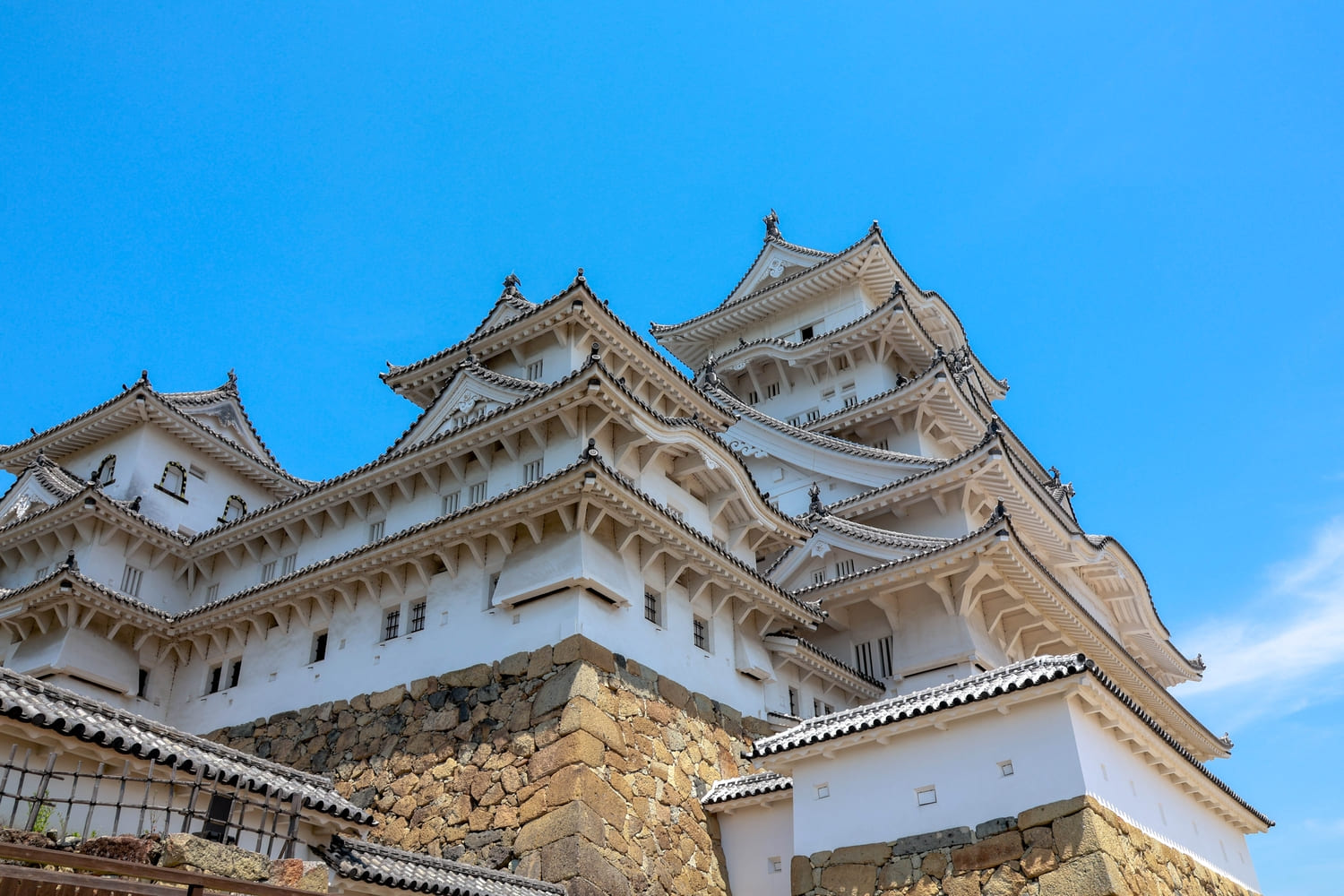
Himeji CastleIt is a representative Japanese landmark located in Himeji City, Hyogo Prefecture.Early modern castlesBecause of its white plaster exterior, it is also called "Hakurojo" (White Heron Castle), and in 1993...World Cultural HeritageIt has been registered as a World Heritage Site. This article summarizes what Himeji Castle is, the reasons for its registration as a World Heritage Site, its history and the origin of its nickname "White Heron Castle," its highlights, access, and admission fees.
Himeji Castle
Himeji Castle (Himeji-jo) isHimeji City, Hyogo PrefectureofHimeyamaBuilt aroundCastles from the early Edo periodThe current castle tower complex is based on its appearance in the early 17th century, after the Battle of Sekigahara, when Ikeda Terumasa carried out a major renovation.83 buildingsMany parts remain, some of which are designated as National Treasures or Important Cultural Properties. Its exterior, unified with white plaster, and its interconnected structure centered around the keep, are considered one of the finest examples of Japanese castle architecture, and it is known worldwide as "Shirasagi-jo" (White Heron Castle).
Reasons for being registered as a World Heritage Site
UNESCO values Himeji Castle as follows:
- Criterion (i)It is a masterpiece of wooden architecture, an unparalleled work that combines the function of defense with the beauty created by the interplay of white plaster and multiple roofs.
- Criterion (iv)This castle exemplifies the perfect form of Japanese wooden castle architecture, with its main components largely retaining their state from the early 17th century.
Its combination of defensive functionality and aesthetic perfection, along with its excellent state of preservation, led to its recognition as a World Heritage Site.
History and the origins of Himeji Castle
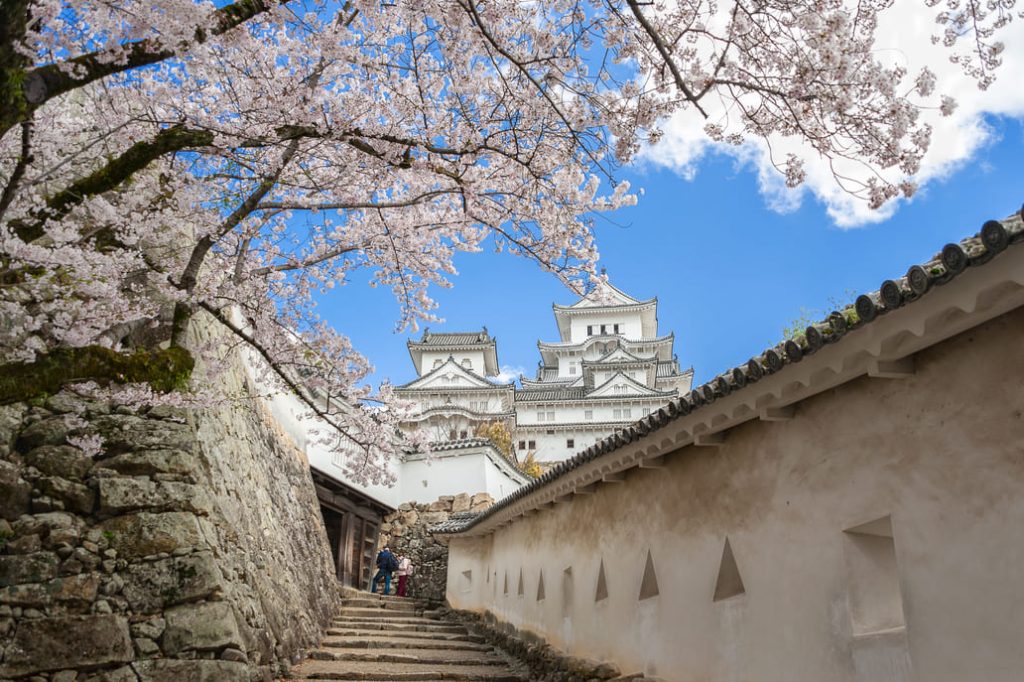
Himeji has had a castle since the 14th century. In 1600, Ikeda Terumasa entered the castle as a reward for his service in the Battle of Sekigahara, and from 1601, a major renovation was carried out over approximately nine years, resulting in the current keep and the Nishinomaru (western citadel). The white plasterwork is for fire prevention and durability, and from a distance, it resembles a white heron spreading its wings, hence its nickname, "White Heron Castle." Throughout the Edo period, Himeji was maintained as the residence of a fudai daimyo (hereditary feudal lord), and even after the Meiji Restoration, it escaped demolition and war damage, remaining standing to this day.
Highlights (castle tower, Nishinomaru, gardens)
- Main keep, smaller keep, and connecting turretIt is designated as a National Treasure as a connected castle tower. The stairs inside are steep, so please wear comfortable clothing when visiting the castle.
- NishinomaruIt features a long corridor (Hyakken Corridor) and a dressing room, and legends related to Princess Senhime remain.
- Hishimon Gate, Mikunibori Moat, etc.The most common route is to cross the Sakuramon Bridge, pass through the Hishimon Gate, and head towards the main keep. The stone walls and moat scenery are also worth seeing.
The main keep has many stairs, and entry may be restricted during peak hours. Please check the official visitor information before visiting.
Access, Admission Fee, and Basic Information
JR Himeji StationIt's about a 15-minute walk from the station. If you head straight down Otemae Street from the station towards the castle, you'll see the white castle tower in front of you. The entrance fee is 1,000 yen for adults (example as of 2023; please check for the latest information), and the opening hours vary depending on the season. There are times when you need a numbered ticket to enter the main castle tower.Himeji Castle OfficialPlease check the latest admission fees and opening hours at the Himeji City Tourist Information Center.
DetailsUNESCO World Heritage CentrePlease also refer to the Agency for Cultural Affairs' list of World Heritage Sites.
Regarding other World Heritage sites in Japan,Itsukushima ShrineorShrines and temples of NikkoPlease also see the related article.
summary
Himeji Castle, affectionately known as the White Heron Castle, is a World Heritage Site and a wooden castle that Japan is proud of. Focus on the main keep and the Nishinomaru area, and be sure to check the admission fee and opening hours in advance before taking your time to explore.