
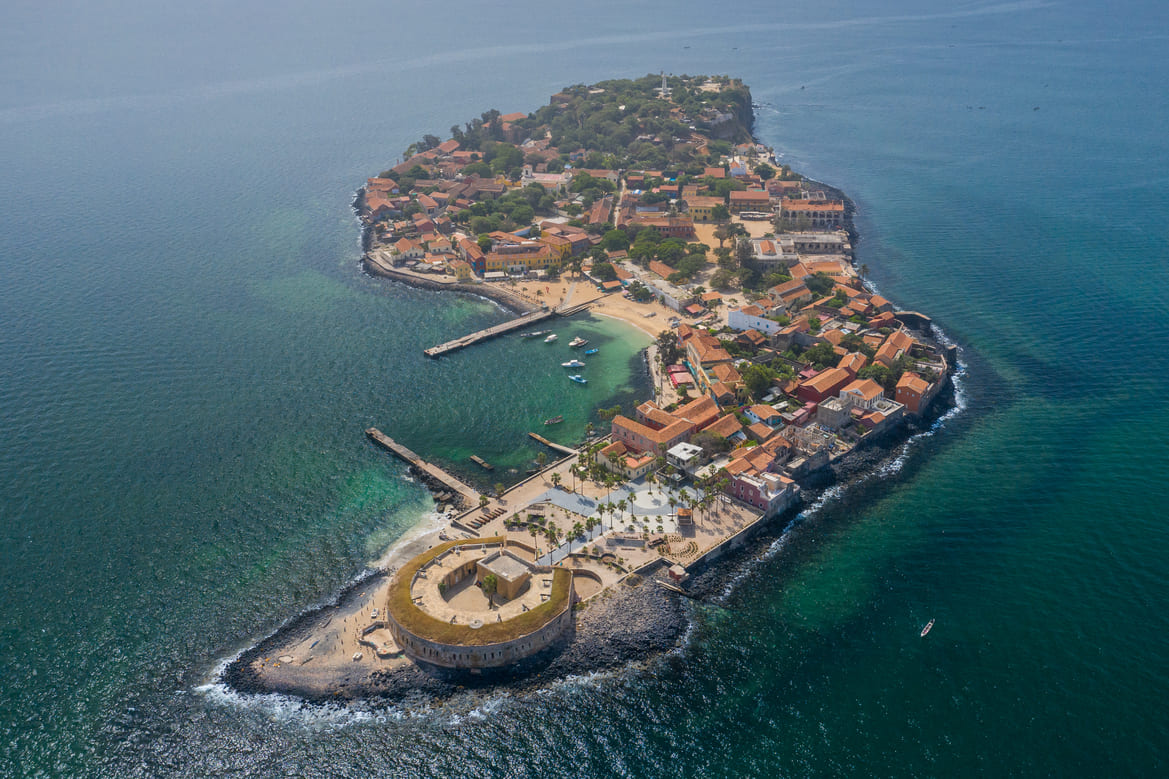
Gorée IslandIt is a small island off the coast of Dakar in the Republic of Senegal, where historical sites remain that convey the memory of the transatlantic slave trade, and in 1978World Cultural HeritageIt has been registered as a World Heritage Site. This article summarizes what Gorée Island is, the reasons for its World Heritage designation, its history and attractions, especially the "House of Slaves," and how to get there.
What is Gorée Island?
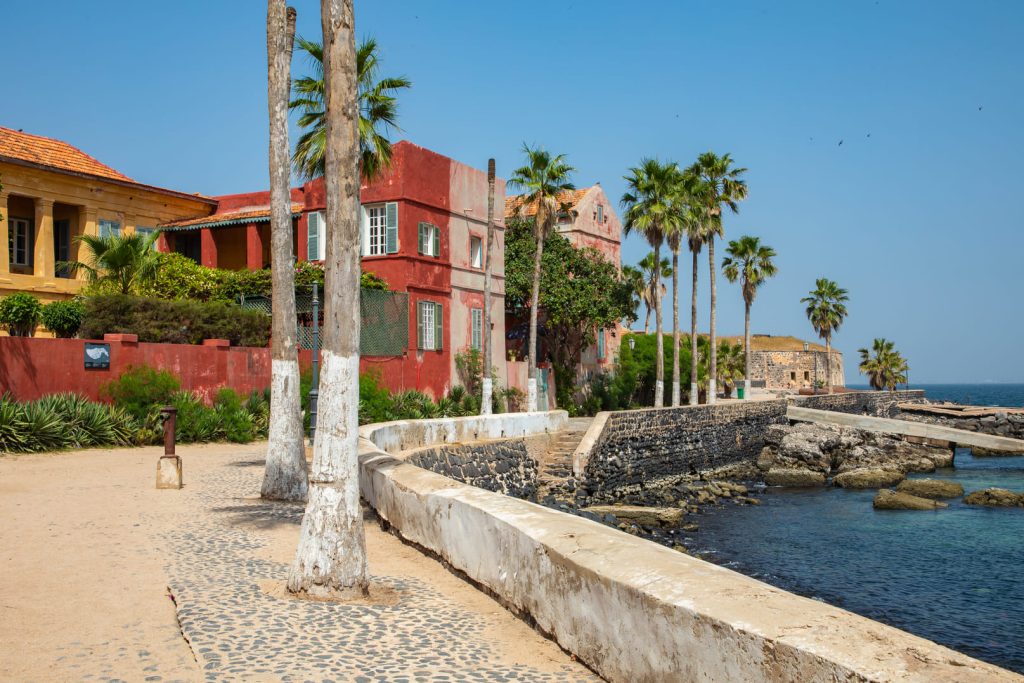
Gorée Island (Île de Gorée)Dakar, the capital of the Republic of SenegalLocated approximately 3km offshore, it measures approximately 900m north-south and 300m east-west.KojimaFrom the mid-15th century onward, Portugal, the Netherlands, and France built trading posts and fortresses on the island, making it one of the centers of the transatlantic slave trade. The island still retains buildings from the colonial era, including the "House of Slaves" (Maison des Esclaves), serving as a place that conveys the memory of humanity as a negative legacy.
Reasons for being registered as a World Heritage Site
UNESCO values Gorée Island as follows:
- Criteria (vi)It is a place of universal significance in conveying the tragedy of the transatlantic slave trade, a tragedy in human history, and in sharing its memory. It symbolizes the realities of the slave trade and the history of forced migration from Africa to the Americas.
"Outstanding universal value" is not limited to architectural beauty,A place of historical testimony and memoryIts role is to convey messages of education and peace, even as a negative legacy.
History and Memory (Historical Evidence of the Slave Trade)
Gorée Island was one of the centers where slaves were held and selected before being loaded onto ships. The "House of Slaves" is preserved and exhibited as a symbol of such a detention facility. Inside the building, narrow, prison-like rooms and a gate to the sea called the "Door of No Return" remain, conveying the harsh conditions of the time. Even after the abolition of slavery, the island retained its colonial townscape, and now serves as a museum and memorial site where many visitors learn about history and pay their respects.
Highlights (Slave House, Museum, Townscape)
- House of Slaves (Maison des Esclaves)This is the island's most well-known building, and you can tour it while listening to a guide's explanation. Please check the entrance fee and opening hours on-site.
- History MuseumThis section presents the history of colonialism and the slave trade through various documents.
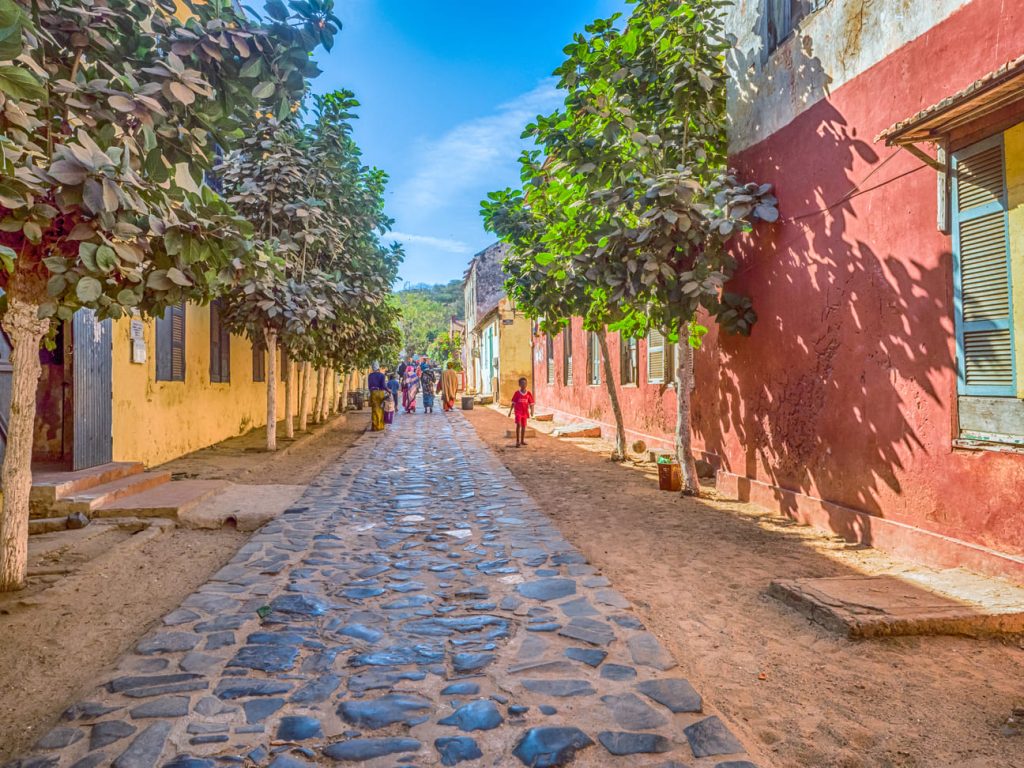
- townscapeColonial-style buildings and alleys remain, allowing you to experience history in the tranquil atmosphere of the island.
When you visit, please keep in mind the respect for the victims and the weight of this negative legacy.
Access and basic information
DakarFrom the port to Gorée IslandferryA ferry service is available. The journey takes approximately 15-20 minutes one way. Please check the ferry schedule and fares with the ferry company or the official Senegal Tourism website. The island can be explored on foot.
DetailsUNESCO World Heritage CentrePlease refer to the following.
summary
Gorée Island is a World Heritage Site that commemorates the transatlantic slave trade. The slave houses and the entire island serve as a place to learn about the dark side of human history and to pledge never to repeat it. It's easily accessible from Dakar, so please visit with time and respect.
 English
  日本語
日本語