What are the UNESCO World Heritage Sites in Budapest? A guide to the highlights of the Danube Riverbanks, Buda Castle, and Andrássy Avenue.

BudapestofDanube Riverbank,Buda Castle District,Andrássy AvenueIt is a historic district representing the capital of Hungary, and was designated in 1987 and 2002.World Cultural HeritageIt has been registered as a World Heritage Site. This article summarizes what Budapest's World Heritage Sites are, the reasons for its registration, the history of Buda and Pest, its attractions, and how to get there.
What are the World Heritage Sites in Budapest?
Budapest's World Heritage Sites are,Budapest, the capital of the Republic of HungaryIt consists of the following three elements:
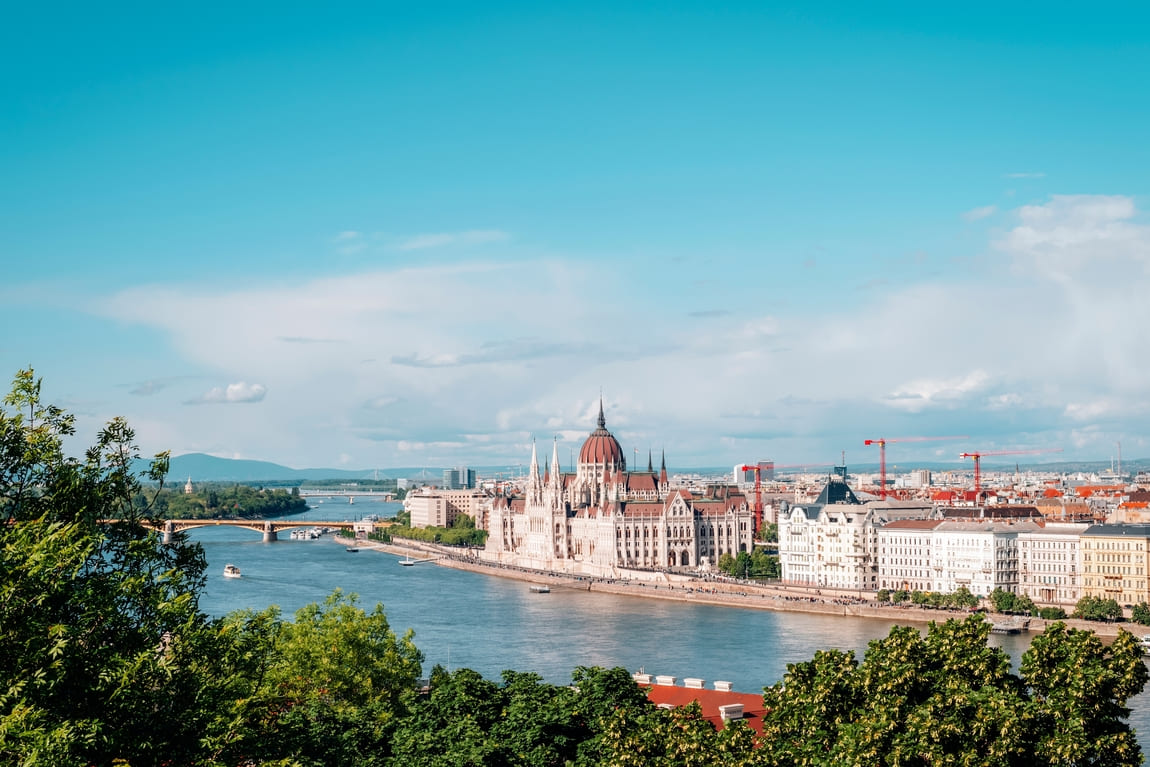
- Danube RiverbankThis landscape includes the banks of the Danube River facing Buda and the banks facing Pest. The view of Buda Castle and the Parliament building along the river is particularly iconic.
- Buda Castle DistrictThis historic district, located on a hill overlooking the Danube, is home to the Royal Palace, Fisherman's Bastion, Matthias Church, and other landmarks.
- Andrássy AvenueThis is a masterpiece of 19th-century urban planning, located on the Pest side of the main thoroughfare, leading to Heroes' Square and the city park.
Buda and Pest merged in 1873 to form Budapest, and the landscapes on both banks of the river are recognized as a single heritage site.
Reasons for being registered as a World Heritage Site
UNESCO values these districts of Budapest as follows:
- Criterion (ii)Budapest's urban planning and architecture have been influenced by various eras and reflect important stages in European urban development.
- Criterion (iv)The Buda Castle district is an outstanding example of urban landscape integration, with the royal palace, fortress, and church all integrated together. Andrássy Avenue is an excellent example of 19th-century urban planning, featuring a grand boulevard and a subway (one of the first subways on the continent).
The landscape along both banks of the Danube, centered on the Danube River, and the depth of its architectural and urban planning from the Middle Ages to the 19th century were evident.
History and the Origins of Budapest
Buda, on the west bank of the Danube, developed as a political center with a royal palace, and after the Ottoman Empire's rule, Baroque and Neoclassical architecture was added during the Habsburg era. Pest, on the east bank, developed as a center of commerce and culture, and in the 19th century, Andrássy Avenue was developed, and Heroes' Square and city parks were created. The Parliament building stands on the Pest side of the river and, along with the bridges crossing the Danube, is a symbol of Budapest.
Highlights (Buda Castle, Fisherman's Bastion, Parliament Building, Andrássy Avenue)
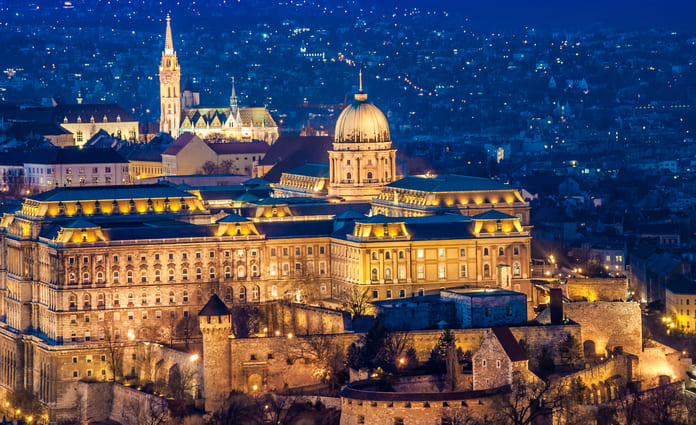
- Buda Castle (Royal Palace)The Royal Palace, situated atop a hill, houses the Hungarian National Gallery and the Budapest History Museum. The hill can be accessed by cable car or bus.
- Fisherman's FortThis observation deck offers panoramic views of the Danube and the Pest side, and its white spire is quite striking. It is located next to Matthias Church.
- National Diet BuildingThis is a magnificent Neo-Gothic building located along the Danube River. Interior tours are often guided and require reservations.
- Andrássy AvenueThis is a grand avenue leading to Heroes' Square, lined with the Opera House and upscale shops. Metro Line 1 runs through it.
Access and basic information
Budapest Ferenc Liszt International AirportIt takes about 30 minutes to an hour by bus or taxi from the city center. You can get around the city by subway, tram, and bus. Visiting hours and entrance fees for Buda Castle and the Parliament Building should be checked on the official websites of each facility.
DetailsUNESCO World Heritage CentrePlease also refer to the Budapest sightseeing information.
Regarding other World Heritage sites in Central Europe,Plitvice Lakes National ParkPlease also see the related article.
summary
Budapest's UNESCO World Heritage Sites, encompassing the banks of the Danube, Buda Castle, and Andrássy Avenue, are a treasure trove of history and scenery. Take your time and enjoy the sights, especially by strolling along the river and admiring the views from the castle hill.