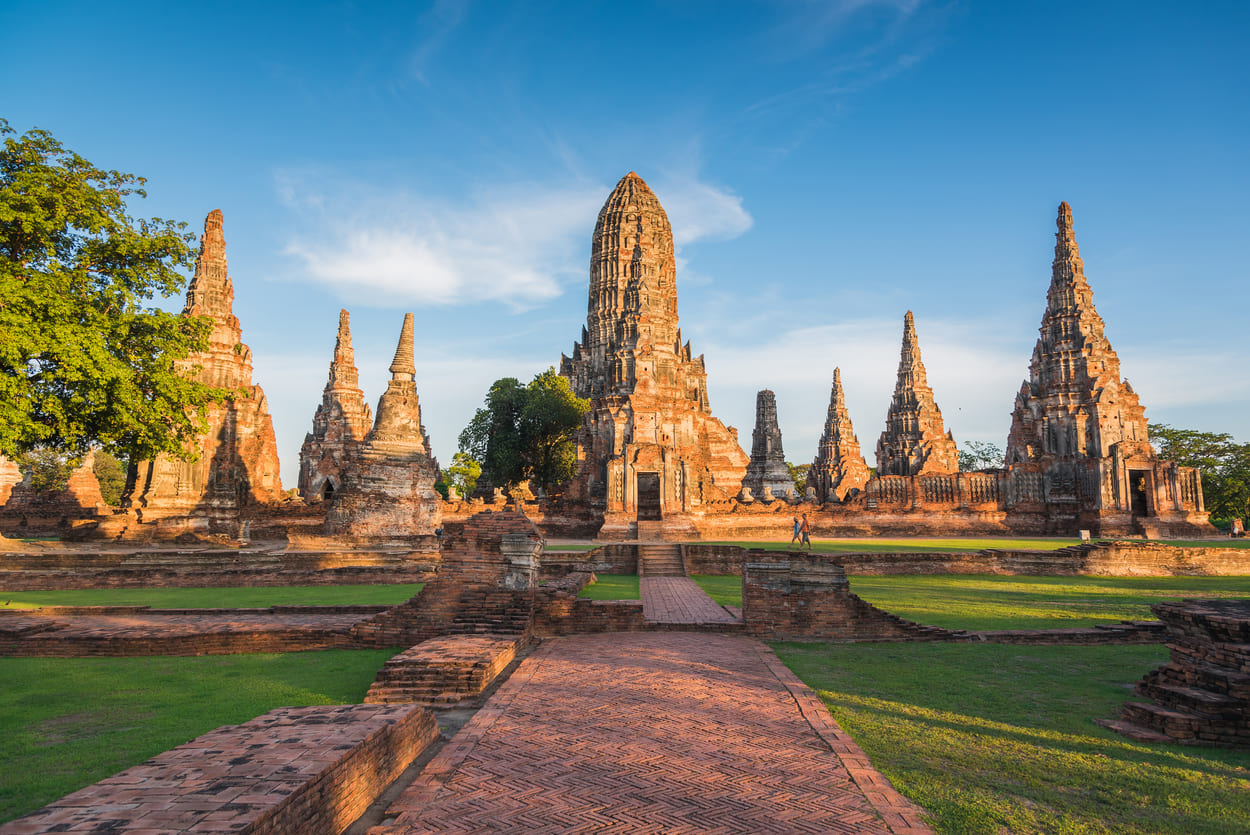
Ayutthaya, a historical city(Historic City of Ayutthaya) is located in central Thailand.North of BangkokLocated in the former Siam (present-day Thailand), it was a powerful force.The capital of the Ayutthaya KingdomThese are the ruins of the Ayutthaya Kingdom. The Ayutthaya Kingdom was established around 1350 and flourished for about 400 years until it suffered a major blow from an attack by the Burmese army in 1767.
Unfortunately, the city was devastated by the Burmese, but today it remainsvast archaeological siteThis was highly praised, and in 1991World Cultural HeritageYou have been registered.
This article summarizes what Ayutthaya is, the reasons for its registration, key historical points, major attractions, and access information.
What is the historical city of Ayutthaya?
Ayutthaya isChao Phraya RiverThis city developed on an island-like location surrounded by waterways. From the 14th to the 18th centuries, it grew as a center of trade and diplomacy, a development attributed to its advanced urban planning (roads, canals, moats, etc.) and water management techniques for the time.
Currently, the area designated as a World Heritage Site isPhra Nakhon Si Ayutthaya ProvinceIt is centered around a historical park,Prang(Reliquary Tower) and largeRuins of a Buddhist templeThese scattered remnants offer a glimpse into the site's former scale and prosperity.
Reasons why Ayutthaya was registered as a World Heritage Site
The following reasons have been given for Ayutthaya being registered as a World Heritage Site:
- Criterion (iii):The era in which Thailand's unique folk art flourished.It is evidence that demonstrates this in a particularly good way.
Ayutthaya, as the second capital city after Sukhothai, was a city that incorporated diverse cultural influences while building its own unique expression. The surviving temple architecture and art are considered to tell the story of that context.
DetailsUNESCO World Heritage Centre (English)Please refer to the following.
The history of Ayutthaya (its prosperity and its fall in 1767)
Ayutthaya isAround 1350Founded as a capital city, it grew into a hub of economic and diplomatic activity across a wide area of Indochina. Records show that envoys traveled between the city and Europe and neighboring Asian countries, and it is believed that there were also residential areas for foreign merchants within the city.
1767The city was burned down by an attack from the Burmese (Myanmar) army, and the inhabitants were scattered. Afterwards, the capital was located downstream.Thonburi,moreoverBangkokThe situation shifted, and Ayutthaya was never rebuilt.ruinsIt remained as such.

Ayutthaya's attractions
Since the ruins are widely scattered, it's efficient to consider your transportation options (rental bicycles, tours, tuk-tuks, etc.) on-site. Examples of representative temple ruins are as follows (names are common spellings):
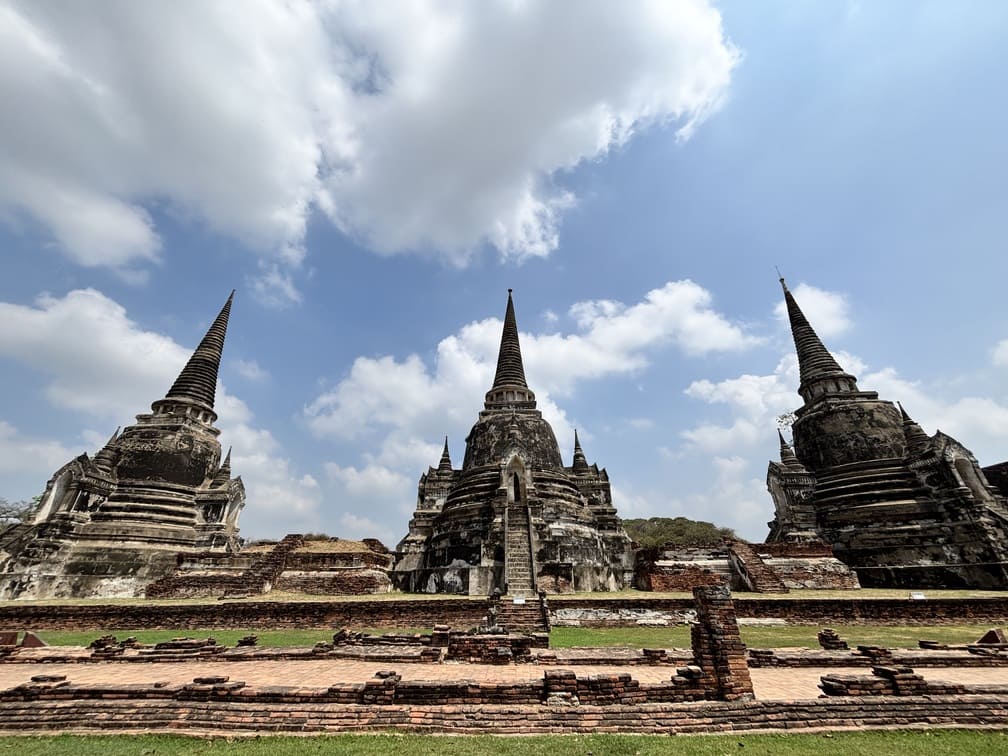
Wat Phra Si Sanphet
Built in 1491 by King Boromtrailokkanat on the site of the palace from the time of the first King Uthon (Ramathibodo I), this royal temple is considered one of the most prestigious royal buildings.
The three chedis, or Buddhist stupas, in the Sri Lankan style are beautifully arranged in a row, and these stupas contain three...
The king's remains are enshrined here.
It's a popular spot, especially for its beautiful nighttime illuminations.
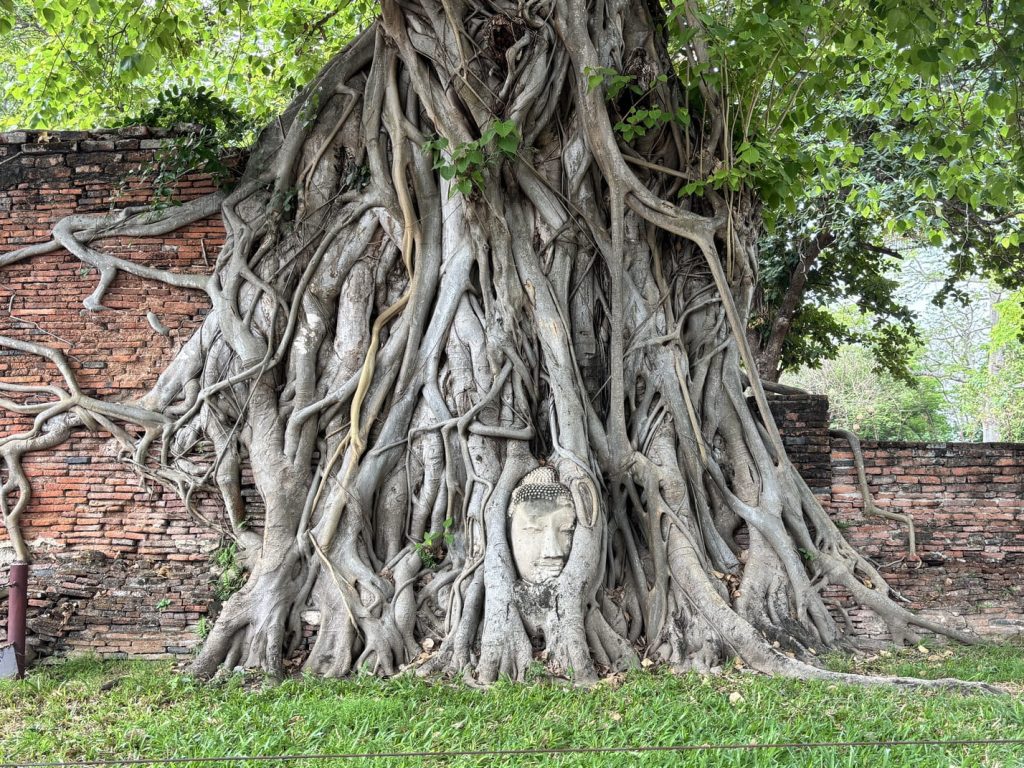
Wat Mahathat
It is one of the important temples of the 13th century, known for its Buddha heads embedded in trees, headless Buddha statues, and the foundations of a collapsed chapel.
Wat Chaiwatthanaram
Because the central shrine and stupa are so well-preserved, you can strongly feel the atmosphere of that time.
Furthermore, its location along the Chao Phraya River makes it a popular spot for taking photos of sunsets.
Please note that admission fees, opening hours, and repair status vary from temple to temple and from year to year.
Access information to Ayutthaya
BangkokFrom there, you have several options, including trains (e.g., Northern Line trains to Ayutthaya station), minivans, and day tours. Travel time and fares vary depending on your departure point and the operating company, so please check the latest information on booking websites or station information.
The weather tends to be hot, so if you're going to be walking around...hydrationandHats and sun protectionThis is essential. When choosing clothing, it's best to be mindful of what is appropriate for visiting a temple (such as covering your shoulders and knees).
summary
The ancient city of Ayutthaya is a World Heritage Site, where the remains of an ancient Thai capital that flourished amidst East-West exchanges are spread throughout the area.
Because the vast majority of the site has been destroyed, we can appreciate the historical significance conveyed by the few remaining ruins.
reference:
'Historic City of Ayutthaya(UNESCO)
'Ayutthaya(Tourism Authority of Thailand)
 English
  日本語
日本語
YouTubeI've also released a vlog I made when I actually traveled to Ayutthaya in 2026! Please check it out for information on how to get there from Bangkok, the local atmosphere, and food recommendations.