
Rock Paintings of AltaIt is located in Finnmark County, northern Norway.AltaRemainingA group of prehistoric rock carvings (petroglyphs), designated a World Cultural Heritage site in 1985.It has been registered as a World Heritage Site. This article summarizes what the Rock Art of Alta is, the reasons for its designation as a World Heritage Site, the content of the rock art, the museum, and how to get there.
What are the rock paintings of Alta?
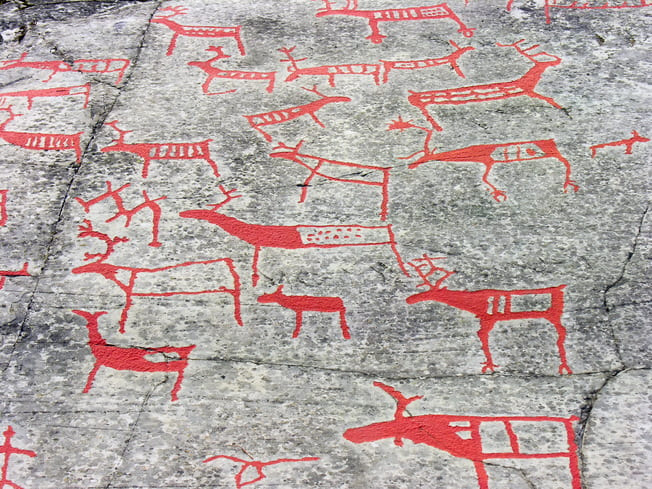
The Rock Art of Alta isAlta, Finnmark County, Kingdom of NorwayIt is distributed along the fjord coast.Petroglyphs (rock carvings)Between approximately 4200 BC and 500 BC, thousands of sculptures depicting hunting, fishing, and rituals were carved into the rock surface. These sculptures, depicting reindeer, moose, boats, human figures, and geometric patterns, provide invaluable evidence for understanding prehistoric life and beliefs in Northern Europe. The Arta Museum is responsible for the preservation, exhibition, and explanation of the site.
Reasons for being registered as a World Heritage Site
UNESCO values the rock art of Alta as follows:
- Criterion (iii)It is outstanding evidence that conveys the life and worldview of humankind during the prehistoric period of Northern Europe, particularly from around 4200 BC to 500 BC.
- Criterion (iv)It is an outstanding example, both in terms of quality and quantity, for understanding the relationship between rock art and the society, rituals, and environment of the time.
A large and diverse collection of rock paintings, preserved in an environment near the Arctic Circle, has been recognized for its cultural value.
History and Content of Rock Paintings
Rock paintings were created by carving or scraping the surface of rocks with stone or metal tools. The motifs include reindeer and moose hunting, boating and fishing scenes, figures and footprints, and geometric patterns of circles and lines, and are thought to reflect the livelihoods, rituals, or mythological worldview of the time. Some rock paintings were discovered during road construction and development and are now protected and on display. The Alta Museum offers replicas of the rock paintings, explanations, and information on guided tours.
Sights to see and museums
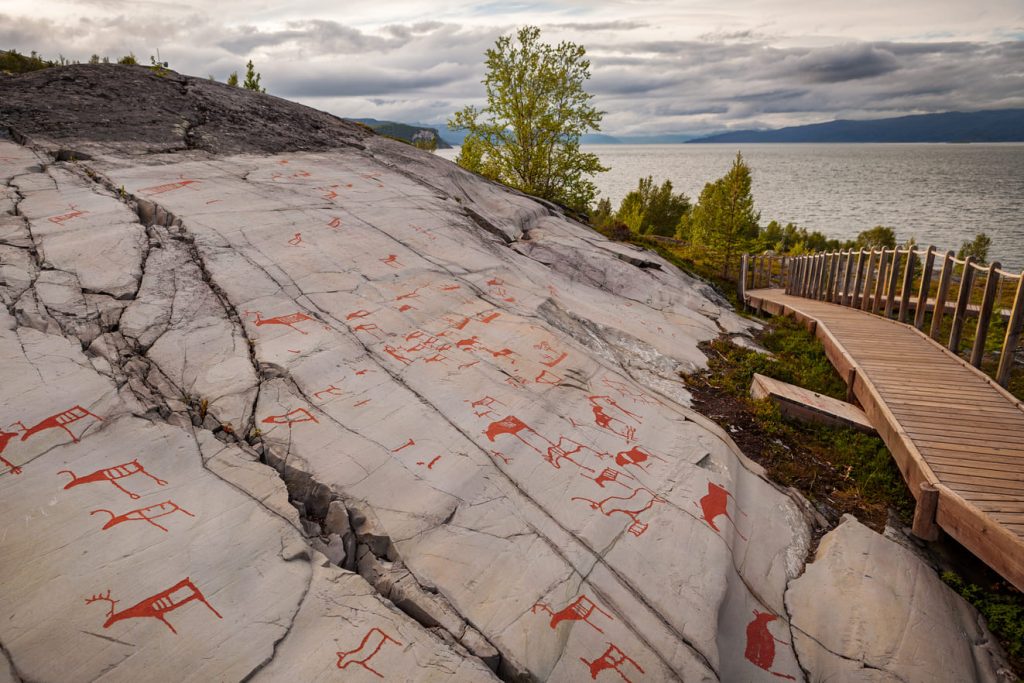
- HjemmeluftThis area is located near the town of Alta and features wooden boardwalks where visitors can view rock art. It is adjacent to the Alta Museum.
- Alta MuseumThe museum features explanations of rock paintings, exhibits of prehistoric artifacts, and displays related to the Sami culture. Opening hours and admission fees are as follows:Alta Museum OfficialPlease check there.
- Guided tourYou can learn about the meaning and background of the rock paintings while visiting the museum or taking a local tour.
To prevent the rock paintings from weathering, please follow the instructions regarding scaffolding and pathways when viewing them.
Access and basic information
Alta AirportIt takes about 15-20 minutes by car or bus to get to the town and museum of Alta from there. There are also routes to access it by car from Tromsø and Nordkapp. In winter, be careful of snow and icy roads, and check the official website as opening hours vary depending on the season.
DetailsUNESCO World Heritage CentrePlease refer to the following.
summary
The Rock Art of Alta is a World Heritage Site that tells the story of prehistoric Northern Europe. Combine a visit to the museum with a visit to the rock art area to experience the lives and beliefs of ancient people.
 English
  日本語
日本語