
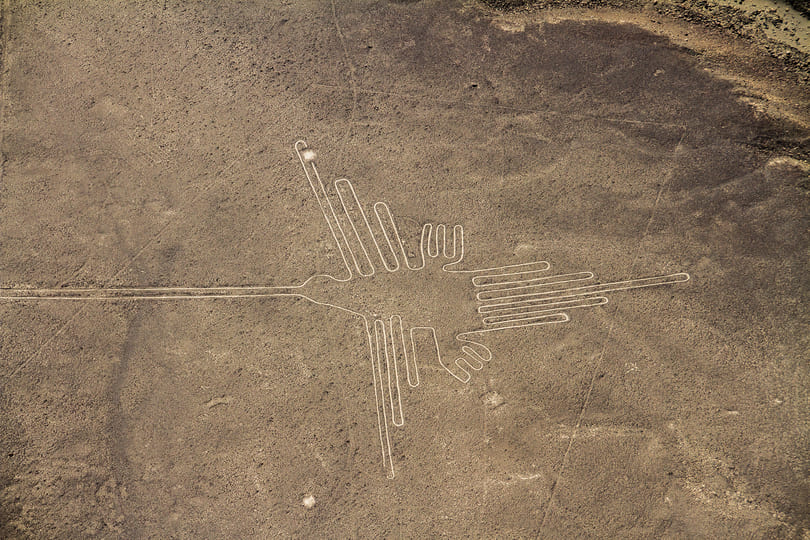
Southern PeruNazca and Balpa geoglyphsThese are giant geometric patterns and animal drawings drawn on the desert surface, and were created in 1994.World Cultural HeritageIt has been registered as a World Heritage Site. This article summarizes what the Nazca Lines are, the reasons for their registration as a World Heritage Site, their historical mysteries, how to visit them (observation decks and Cessna planes), and how to access them.
What are the Nazca and Balpa geoglyphs?
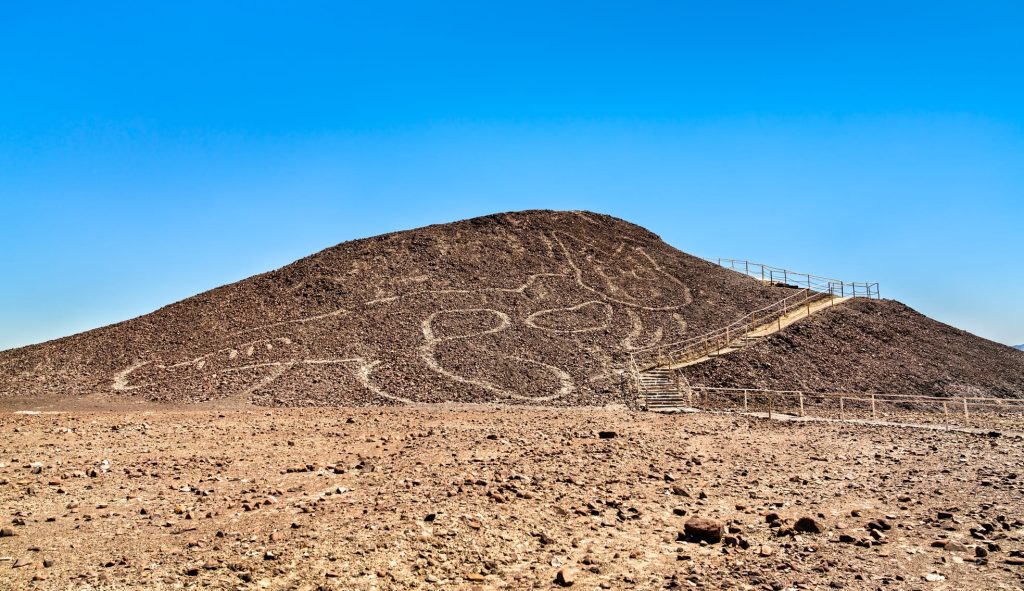
The Lines and Geoglyphs of Nasca and Palpa areIca Province, Republic of PeruThese are clusters of geoglyphs spread across the Nazca and Balpa plateaus. Lines, triangles, spirals, and images of animals such as hummingbirds, monkeys, spiders, and condors are depicted by removing gravel and using variations in the surface color. Some are hundreds of meters long and are believed to have been created primarily during the Nazca culture period, from around 500 BC to 500 AD.
It is known as one of the world's most mysterious works, with ongoing debates about why, who, and how it was created.
Reasons for being registered as a World Heritage Site
UNESCO values the Nazca and Balpa geoglyphs as follows:
- Criterion (i): They are masterpieces that represent humanity's creative genius. The large-scale and diverse geoglyphs are outstanding artistically and technically.
- Criterion (iii): It serves as evidence of the unique worldview of the Nazca culture and its traditions related to rituals, astronomy, and water.
- Criterion (iv)It is an unparalleled landscape heritage site that is important for understanding ancient rituals and social organizations.
Geometric and animal geoglyphs remaining in the vast desert have been recognized as a World Heritage Site for their cultural and artistic value.
The history and mysteries of geoglyphs
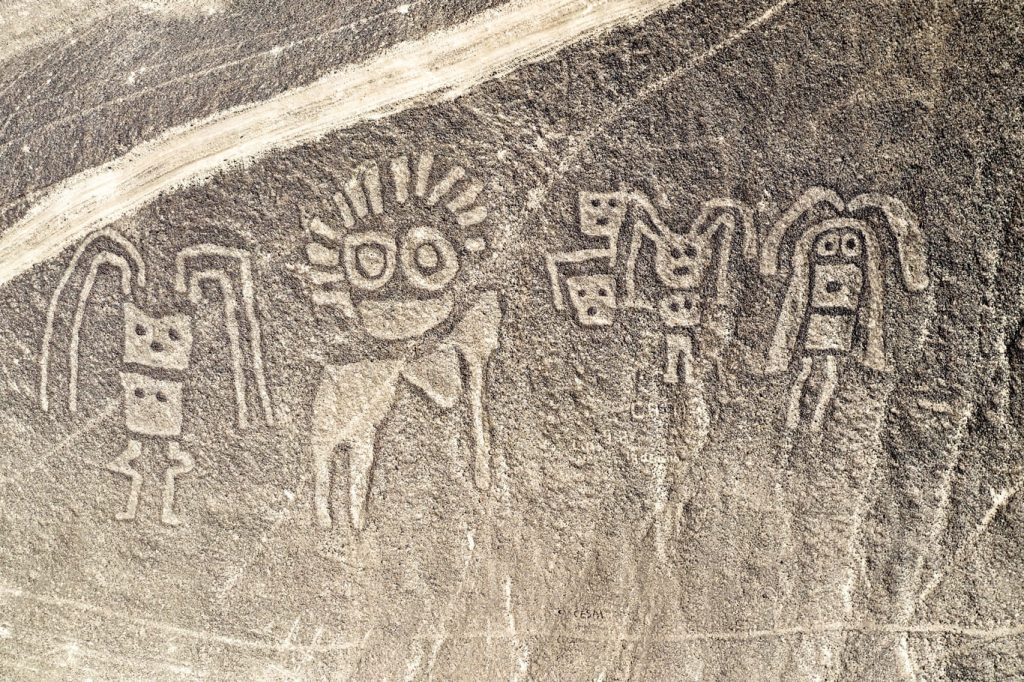
The geoglyphs were created by removing the dark gravel from the surface and exposing the lighter soil underneath, making them visible as "lines" and "shapes." Even today, how the people of that time conducted surveys and designs remains not fully understood. The prevailing theory is that they were linked to astronomy, water rituals, and the identity of the community.
For a long time, there have been concerns that the site could be damaged by wind and human intrusion, and calls for protection and adherence to proper visiting rules have been made.
Highlights and how to visit (observation deck, Cessna plane)
- Maria Reiche Observation TowerLocated along the Pan-American Highway, it offers a bird's-eye view of several geoglyphs. Its easy accessibility makes it a popular tourist destination.
- Cessna sightseeing flightFrom locations such as the town of Nazca, you can take a Cessna flight and view many of the geoglyphs from the air, including hummingbirds, monkeys, spiders, condors, and astronauts. Flights last approximately 30 minutes to 1 hour. Please pay attention to your physical condition and the weather, and choose a reliable operator when making your reservation.
- Palpa's geoglyphsThere are also geoglyphs in Balpa, north of Nazca, some of which are drawn on the slopes of hills. You can visit them on a tour.
Because the sun is strong, be sure to bring a hat, sunscreen, and water when you visit.
Access and basic information
LimaIt takes about 6-8 hours by bus from there to Nazca, and you can also access it via Ica. Day trips or overnight tours from Lima or Ica that combine a visit to the viewpoint with a Cessna flight are common. Please check the official information of each facility and tour company for entrance fees, Cessna fares, and opening hours.
DetailsUNESCO World Heritage CentrePlease also refer to the information from the Peruvian Ministry of Culture.
summary
The Nazca and Valpa geoglyphs are registered as a World Heritage Site, recognizing them as artistic and cultural masterpieces left behind by the ancient Nazca culture. You can enjoy them easily from an observation deck, or take a panoramic view from a Cessna. Please visit with respect for local rules and with an awareness of preserving this precious heritage for future generations.
 English
  日本語
日本語