
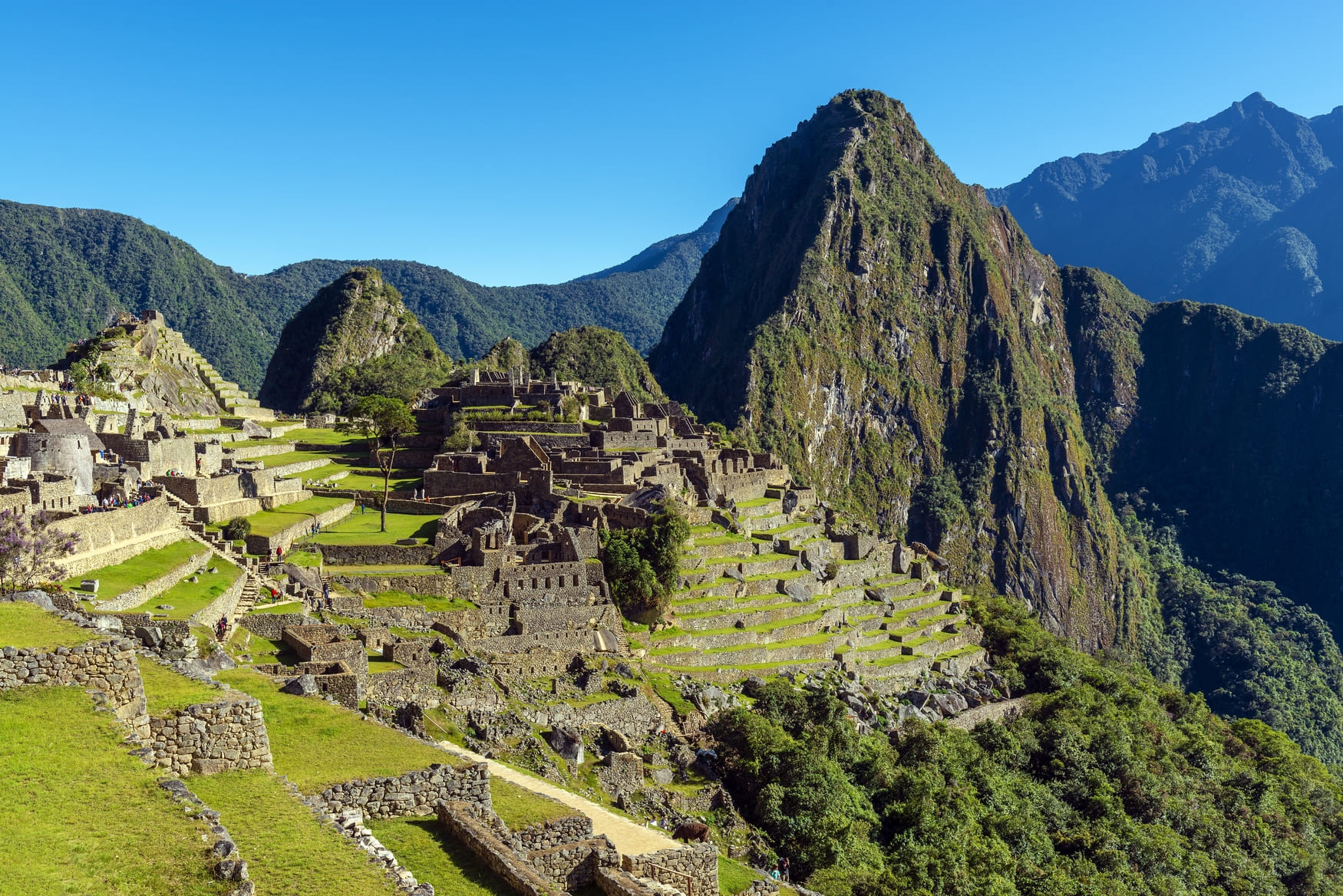
Machu PicchuMachu Picchu is built on a ridge in the Peruvian Andes Mountains at an altitude of approximately 2,430m.Ruins of the Inca EmpireIt was built in the 15th century and its appearance, also known as the "City in the Sky," was preserved in 1983.World Heritage SiteIt was registered as a World Heritage Site (cultural and natural heritage). This article summarizes what Machu Picchu is, the reasons for its World Heritage designation, the history of the Inca Empire, and its main attractions and access.
What is Machu Picchu?
The Historic Sanctuary of Machu Picchu is located in the Cusco region of southern Peru.Mixed HeritageThe protected area covers approximately 32,592 hectares. Around 200 stone structures are arranged in tiers along the steep mountain ridges, connected by stone steps. The surrounding area is the transition zone from the Andes highlands to the Amazon basin.Tropical mountain forestCovered by vegetation, the area boasts a diverse microclimate and a natural environment with endemic species.
It is believed to have been built in the 15th century during the reign of Pachacuti, the ninth emperor of the Inca Empire, and served as a residence and ceremonial site for royalty and priests. Abandoned during the Spanish conquest in the 16th century, it lay dormant in the mountains for approximately 400 years. In 1911, an American explorer discovered it.Hiram BinghamIt was introduced to the outside world by [name of person/organization] and has since attracted global attention. In 2007, it was also selected as one of the "New Seven Wonders of the World."
Reasons for being registered as a World Heritage Site
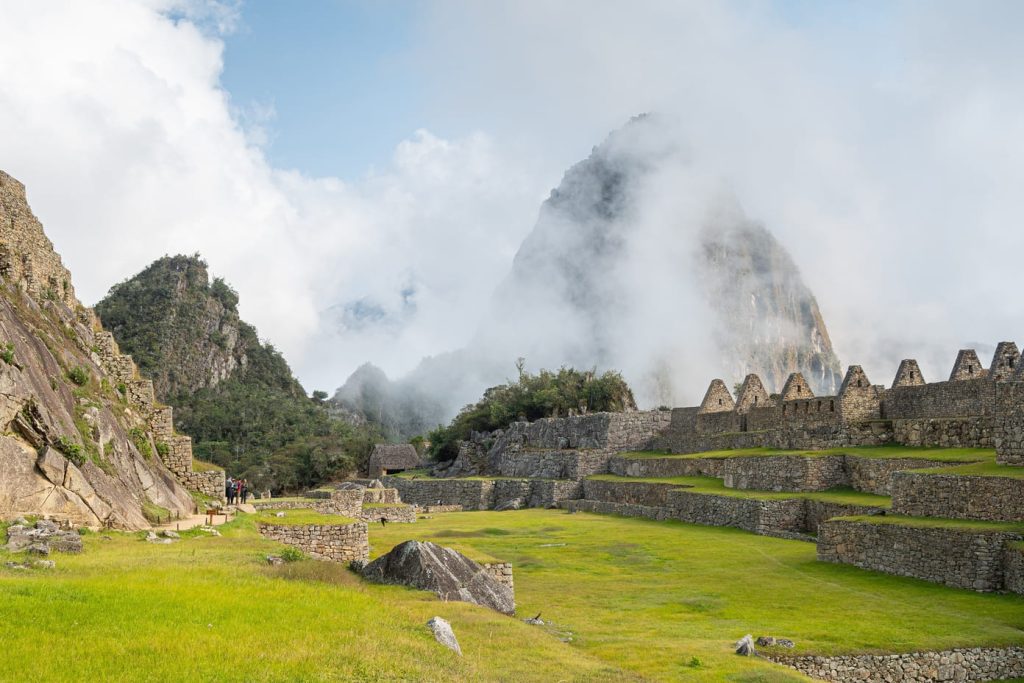
UNESCO has designated Machu Picchu asBoth cultural and natural aspectsThe evaluation process recognizes four registration criteria.
- Criterion (i)It was the artistic center of the Inca civilization and a masterpiece of urban planning, architecture, and engineering. It is highly regarded for its masterful integration of the mountainous terrain and natural environment.
- Criterion (iii)This is a unique testimony to the Inca civilization, revealing their planned spatial allocation, territorial management, and organizational structure for society, production, religion, and administration.
- Criteria (vii)It possesses a unique scenic beauty, where human culture has been harmoniously rooted over a long period of time amidst dramatic mountain landscapes.
- Criteria (ix)It is an ecologically important region located in the transition zone from the Andes highlands to the Amazon basin, possessing diverse microclimates, habitats, and endemic species.
According to UNESCO, the fact that cultural and natural values coexist within a single heritage site is the decisive factor in its evaluation as a mixed heritage site.
The History of the Inca Empire and the "Cities in the Sky"
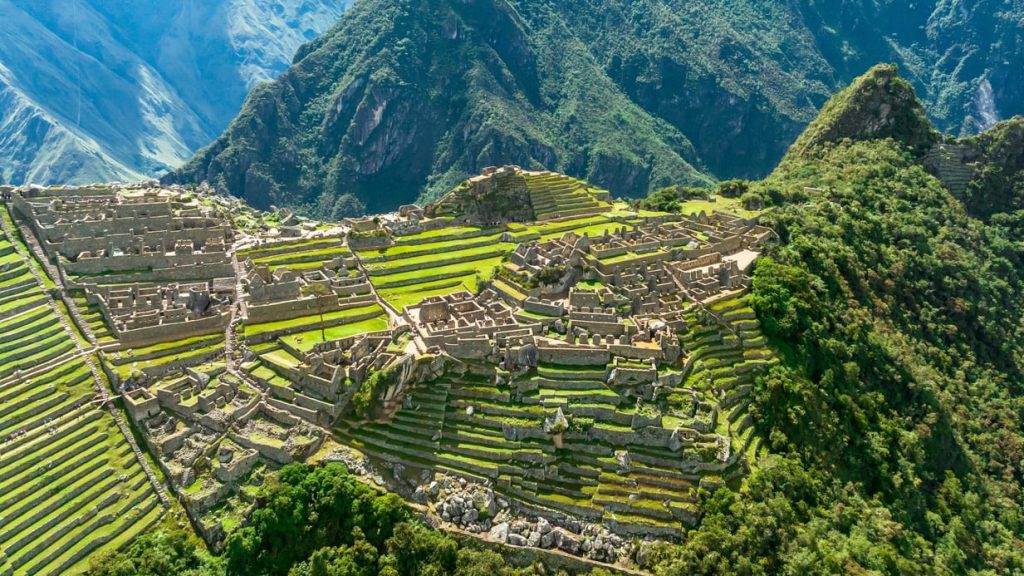
Inca EmpireTawantinsuyu (in Quechua) was a vast empire that ruled the Andes region of South America from the 15th to the 16th centuries. Machu Picchu was built in the mid-15th century, during the empire's heyday, by carving into the rugged mountain ridges.
The city was built with sophisticated stonework techniques.Agricultural terrace(Terraced fields)waterway,Drainage systemThey possessed advanced infrastructure such as [mention specific examples of infrastructure]. The technique of stacking massive stones without using mortar, without any gaps, is astonishing even by modern standards. The fact that they had planned the city despite its steep location at an altitude of 2,430m demonstrates the high level of engineering skill of the Incas.
In the 16th century, when the Spanish conquistadors destroyed the Inca Empire, Machu Picchu disappeared from the stage of history. It remained abandoned in the mountains for approximately 400 years until 1911, when Hiram Bingham "rediscovered" the site as part of his academic research, bringing it to widespread international attention.
Also a World Heritage site in Peru,Nazca and Palpa geoglyphsPlease check that out as well.
Highlights (ruins, natural features, major buildings)
The allure of Machu Picchu lies in the harmony between the Inca stone architecture and the surrounding Andean natural landscape.
- Temple of the Sun (Torreón)This semi-circular building, constructed with precise stonework, is designed so that sunlight streams in through its windows on the winter solstice. It is a structure that symbolizes the Inca's astronomical knowledge.
- IntihuatanaThis stone pillar, whose name means "place that connects the sun" in Quechua, is believed to have been used as a sundial or for astronomical observations. Located near the highest point of the ruins, it is an important monument deeply connected to Inca religion and calendar.
- Temple of the Three WindowsThis temple is characterized by its three large trapezoidal windows and is said to be a place associated with the Inca creation myth. The view of the mountain range visible through the windows is also magnificent.
- Agricultural terraceThese terraced fields, built on the mountain slopes, are a product of advanced agricultural technology that served both as food production sites and a means of preventing soil erosion. They also form an integral part of the overall landscape of the archaeological site.
- The surrounding natural environmentLocated in the transition zone from the Andes to the Amazon, the area boasts diverse vegetation and endemic species. Trekking routes around the ruins may offer opportunities to encounter wildlife such as spectacled bears and quetzals.
Access and basic information
The base for Machu Picchu isCusco(Cusco) From Cusco, you can take a combination of train, bus, and walking.Aguas CalientesHead towards Machu Picchu village, and from there take a shuttle bus to the entrance of the ruins, which takes about 30 minutes.
- trainThe journey from Ollantaytambo station near Cusco to Aguas Calientes takes approximately 1.5 to 2 hours. Operated by companies such as PeruRail and Inca Rail.
- trekkingThere are several routes, including the Inca Trail (approximately 4 days). Prior permit application and reservations are required.
- Entry restrictionsTo protect the ruins, there is a limit to the number of visitors per day, and visits are also restricted to specific time slots. Please purchase tickets online in advance. We recommend checking the latest prices and rules with the Peruvian Ministry of Culture or the official booking website.
If you are interested in World Heritage Sites in South and Central America,City of QuitoorTikal National ParkPlease also see the related article.
summary
Machu Picchu is a UNESCO World Heritage Site that blends the sophisticated architecture and urban planning of the Inca Empire with the magnificent natural beauty of the Andes. The ruins, such as the Temple of the Sun and Intihuatana, showcase Inca ingenuity, and the breathtaking views of the mountains shrouded in clouds make it a place you should visit at least once in your lifetime. Advance reservations are required, with Cusco as your base. Be sure to check the latest admission rules and prepare thoroughly before visiting.
reference"Historic Sanctuary of Machu Picchu(UNESCO)
 English
  日本語
日本語