
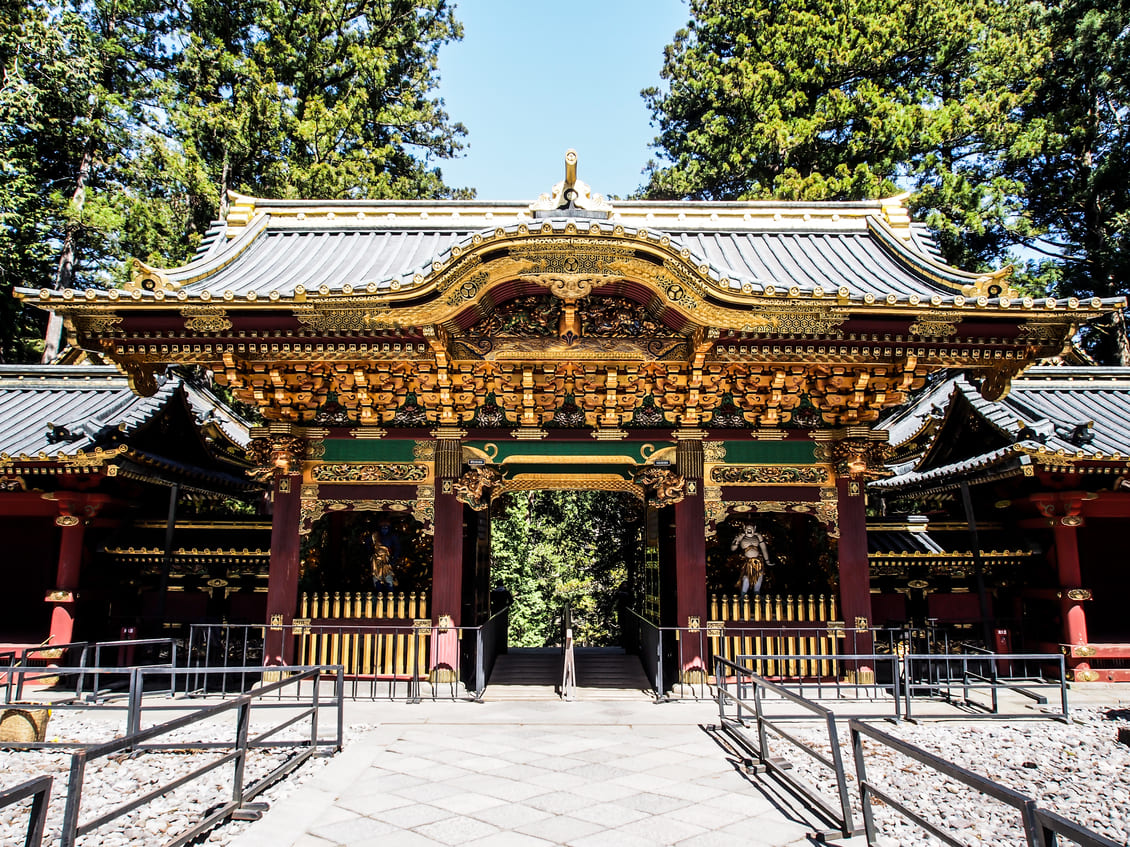
Shrines and temples of NikkoThis refers to the complex of buildings encompassing Toshogu Shrine, Rinnoji Temple, and Futarasan Shrine, located in Nikko City, Tochigi Prefecture, and was completed in 1999.World Cultural HeritageIt has been registered as a World Heritage Site. This article summarizes what Nikko's shrines and temples are, the reasons for their registration as a World Heritage Site, and the highlights, access, and admission fees, focusing on Toshogu Shrine.
What are the shrines and temples of Nikko?
The shrines and temples of Nikko areNikko City, Tochigi PrefectureLocatedToshogu Shrine,Rinnoji Temple,Futarasan ShrineThis World Heritage site refers to 103 buildings and the ruins (cultural landscape) on which they stand. The Toshogu Shrine, dedicated to Tokugawa Ieyasu, the founder of the Edo Shogunate, the Rinnoji Temple, which is responsible for Buddhism in Nikko, and the Futarasan Shrine, the center of Nikko's mountain worship, are harmoniously situated in an area surrounded by mountains and greenery. Under the patronage of the Shogunate from the early 17th century through the Edo period, the buildings were repeatedly constructed and renovated, resulting in a collection of masterpieces of religious architecture and decoration that represent Japan.
Reasons for being registered as a World Heritage Site
UNESCO values the shrines and temples of Nikko as follows:
- Criterion (i)The Toshogu Shrine and other buildings are masterpieces in which the decoration, including sculpture, coloring, and metalwork, is integrated with the architecture.
- Criterion (iv)It is an excellent example of how shrines, temples, gardens, and landscapes are integrated, symbolizing power and faith during the Edo period.
- Criteria (vi)It conveys the Japanese spiritual culture that combines the deification of Tokugawa Ieyasu, the worship of Toshogu Shrine, and mountain worship and Buddhism.
The unique landscape and history, a fusion of "deified generals" and "mountain worship/Buddhism," were recognized.
The structure focuses on history and the Toshogu Shrine.
After Ieyasu's death, his remains were reinterred from Kunozan in 1617 and enshrined in Nikko, and the construction of the Toshogu Shrine began under the second shogun, Hidetada. During the reign of the third shogun, Iemitsu, the "Great Reconstruction of the Kan'ei Era" took place, and many of the magnificent shrine buildings seen today were completed. Rinnoji Temple, as the central temple of Nikko Mountain, and Futarasan Shrine, an ancient place of worship with Mount Nantai and other sacred objects as its deities, together with the Toshogu Shrine form a single cultural landscape.
Highlights (Toshogu Shrine, Rinnoji Temple, Futarasan Shrine)
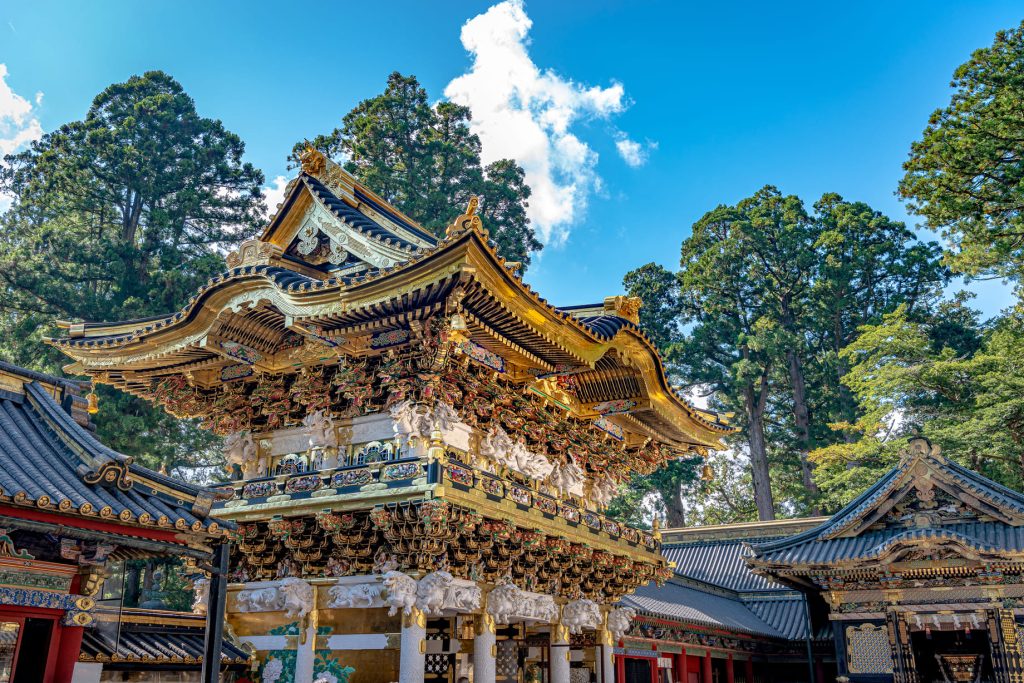
- Toshogu ShrineIt is known for its carvings, including the Yomeimon Gate (National Treasure), the Three Wise Monkeys, and the Sleeping Cat. The main hall, worship hall, and stone chamber are designated as a National Treasure as the "Gōichi-den" (Unity Hall). Please check the official website for admission fees and hours.
- Rinnoji TempleThis includes the Taiyuin Mausoleum (Iemitsu's mausoleum) and the Sanbutsudo Hall. A separate admission fee is required to visit Taiyuin.
- Futarasan ShrineThe site includes the Shinkyo Bridge, the main shrine, and a sub-shrine. Crossing the Shinkyo Bridge requires a fee.
Admission fees vary at each temple and shrine. Using a combined ticket is convenient.
Access, Admission Fee, and Basic Information
JR Nikko Line / Tobu Nikko LineNikko Station, orTobu Nikko StationFrom there, it's about a 5-10 minute bus ride or a 30-40 minute walk to Toshogu Shrine, Rinnoji Temple, and Futarasan Shrine. From Tokyo, it takes about 2 hours by Tobu Railway express train or JR train. For admission fees, opening hours, and combined tickets, see below.Nikko Tourism AssociationPlease also check the official websites of each temple and shrine for the latest information.
DetailsUNESCO World Heritage CentrePlease also refer to the Agency for Cultural Affairs' list of World Heritage Sites.
Regarding other World Heritage sites in Japan,Itsukushima ShrineorHimeji CastlePlease also see the related article.
summary
The shrines and temples of Nikko, with their magnificent architecture at Toshogu Shrine and the interplay of Rinnoji Temple and Futarasan Shrine, represent a World Heritage site of Edo-period faith and power. Please check the entrance fees and access information in advance and allow ample time for your visit.
 English
  日本語
日本語