
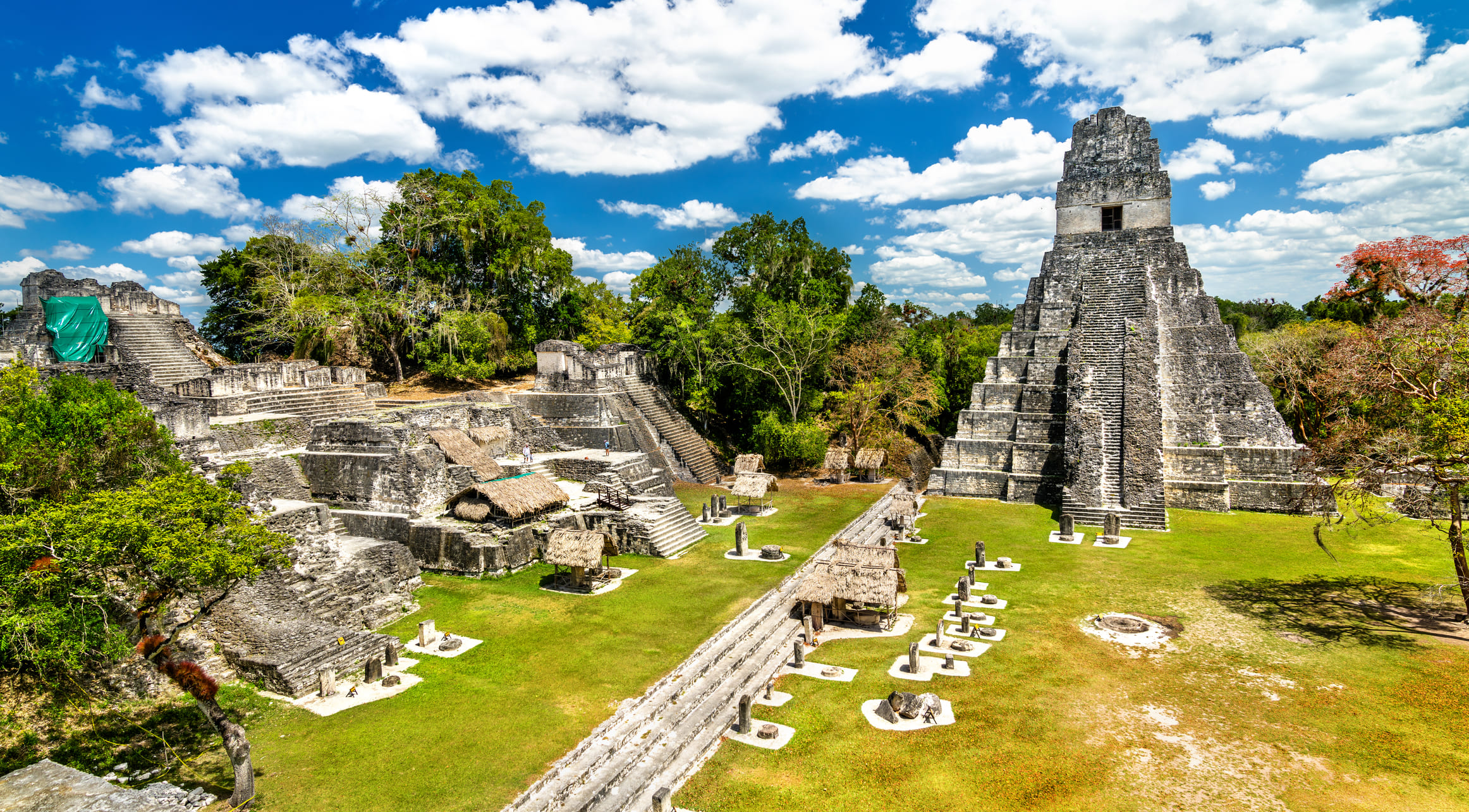
Tikal National ParkIt is the ruins of an ancient Mayan city lying dormant in the jungles of northern Guatemala, and was discovered in 1979.World Heritage SiteIt was registered as a World Heritage Site (for its cultural and natural value). This article summarizes what Tikal is, why it was registered as a World Heritage Site, the history of the Mayan civilization and the ruins, its highlights, and how to get there.
What is Tikal National Park?
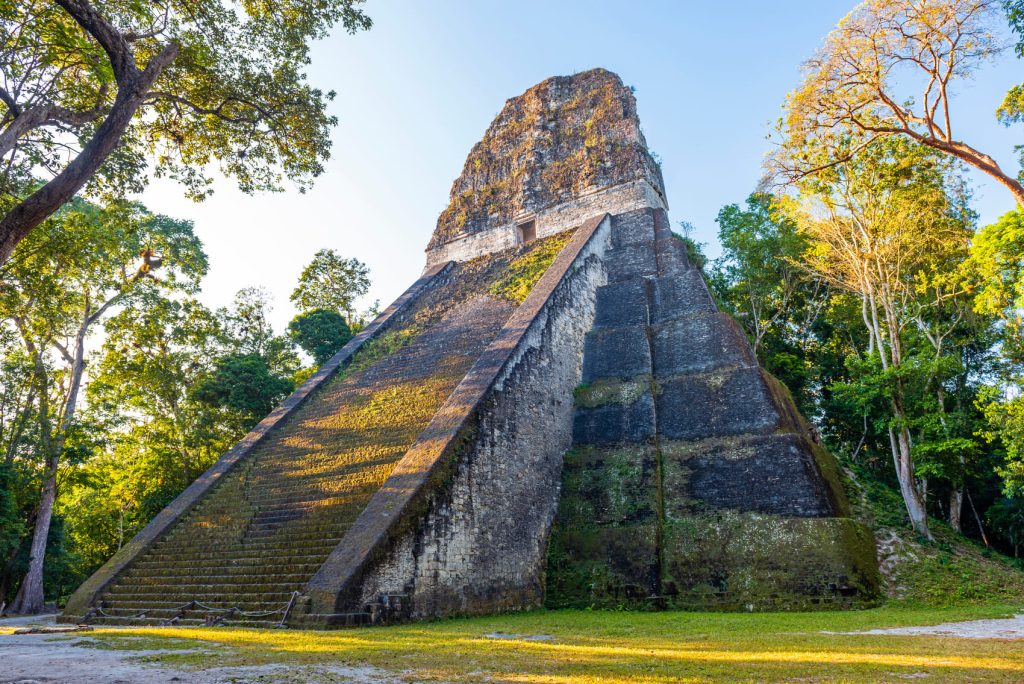
Tikal National Park isPetén Department, Republic of GuatemalaIt is located inRuins of a major city of the ancient Mayan civilizationIt is a national park that protects the city and the surrounding rainforest. It flourished from before the Common Era until around the 9th century, and more than 3,000 structures have been discovered, including pyramidal temples, royal palaces, plazas, and ball courts. The temples, including the "Great Jaguar Temple" which stands about 70 meters tall, and the other temples towering in the jungle, convey the grandeur of one of the largest cities in the Mayan world.
Reasons for being registered as a World Heritage Site
UNESCO values Tikal in terms of both its cultural and natural aspects.
- As a cultural heritageIt is an outstanding site for understanding the art, architecture, religion, and society of the Mayan civilization. The temples and sculptures represent the Mayan worldview and symbols of kingship.
- As a natural heritage siteIt is an important habitat for tropical rainforests and biodiversity in Central America, and cultural sites and natural environments are preserved together.
The grandeur of the ruins and their integration with the jungle landscape led to their recognition as a mixed heritage site.
The history of the Mayan civilization and Tikal
Tikal has been inhabited since before the Common Era and developed into a city around the 3rd century AD. It reached its peak between the 4th and 9th centuries, and is estimated to have been home to tens of thousands of people as a center of politics, economy, and religion. Stone temples represented the authority of the kings and their faith in the gods, and stelae were inscribed with the achievements of successive kings. It declined around the 9th century and eventually became buried in the jungle, but was brought back into the spotlight by research conducted since the 19th century and is now developed as a national park.
Highlights (Temple, Plaza, Jungle)
- Temple I of the Great JaguarThis pyramid, approximately 44 meters tall, is an iconic structure of Tikal. Its appearance when viewed from the plaza in front of it is particularly impressive.
- The Lost Pyramids of the WorldLocated at the heart of the vast complex is the Great Pyramid, from which you can enjoy a panoramic view of the ruins.
- Central SquareThis square, situated between Temples I and II, was once the center of ceremonies and politics.
- jungleThe area is home to a diverse array of wildlife, including howler monkeys, harpy eagles, and quetzals. Early morning tours allow you to walk through the ruins while listening to the sounds of birds and monkeys.
We recommend bringing comfortable walking shoes, a hat, insect repellent, and water, and to tour with a guide.
Access and basic information
FloresIt takes about an hour by car or shuttle from (a town in Petén Department) to Tikal. Domestic flights are convenient from Guatemala City to Flores (about an hour). Please check the official information of the national park or local tour company for entrance fees, opening hours, and guide arrangements.
DetailsUNESCO World Heritage CentrePlease also refer to the information from the Guatemala Tourism Board.
Regarding other World Heritage sites in Central and South America,City of QuitoorGalapagos IslandsPlease also see the related article.
summary
Tikal National Park is a UNESCO World Heritage Site that seamlessly blends outstanding Mayan ruins with a lush rainforest. The unique landscape of temples and jungle makes it the perfect place for anyone wanting to experience the ancient Mayan world. Be sure to prepare your equipment and access in advance for a safe and enjoyable visit.
 English
  日本語
日本語