
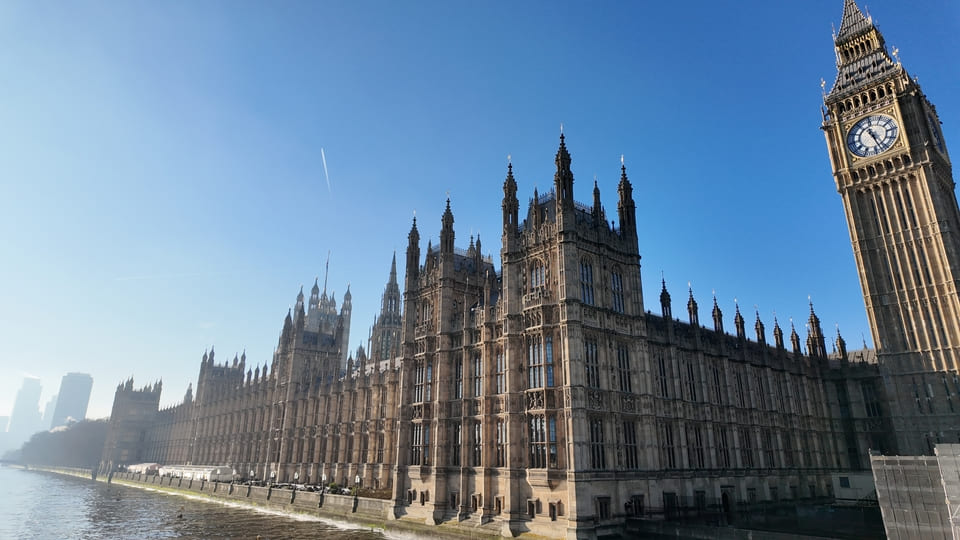
Central London, north bank of the Thames RiverWestminsterThis area is a space that symbolizes the history of the British nation. It is part of the World Heritage Site "Westminster Palace, Westminster Abbey and St. Margaret's Church".These include cathedrals, which are the venues for royal ceremonies; palaces, which are the homes of parliament; and parish churches.The very existence of these three pillars in close proximity reveals the multi-layered nature of the formation of the modern nation-state.UNESCO's evaluationWe will organize the values within this framework.
Westminster Abbey and its surrounding buildings
The constituent assets are the following three:
- Westminster Abbey(Westminster Abbey) — A cathedral associated with royal power, such as coronation ceremonies.
- Westminster Palace(Palace of Westminster) — The building housing both houses of Parliament.
- St. Margaret's Church(St. Margaret's Church) — A church that, as a parish church, has also been involved in worship services for citizens and members of the parliament.
Within a radius of several hundred metersReligion/Politics/Civic LifeThis urban structure, where so many elements are concentrated, is rare even in European history.Silhouette of the Parliament buildingWhile the landscape (including the area around Elizabeth Tower) is globally recognized as an image symbolizing British democracy and historical continuity, it is important to understand the scope of the World Heritage site components according to the Brief-WHC definition.
Westminster Abbey: A History of Kingship and Nation
Westminster Abbey has served as a symbolic space for the English monarchy since it was built by Edward the Confessor in the 11th century. Since the Norman Conquest in 1066, Westminster Abbey has been the site of the coronation of British monarchs (some of whom ascended to the throne but were not crowned).A place to religiously guarantee the legitimacy of the monarchyIt has consistently played the role of
The current architecture is based on the major renovations carried out by Henry III in the 13th century, and is characterized by high ceilings, slender columns, and stained glass influenced by French Gothic. It is considered one of the most complete Gothic architectures in England. In addition to past kings and queens, a variety of figures, including politicians, scholars, and poets, are buried and commemorated within the abbey.A space where royal history and cultural history are engraved in layersIt is as follows.
Reasons for World Heritage designation (key points)
WHC descriptionSo, what is the relationship between the spread of Gothic architecture and the Gothic Revival of the 19th century?Criterion ii), **the fact that it demonstrates the history of parliamentary monarchy through a concrete group of buildings (criterion iv)** is emphasized. In addition to the beauty of the individual buildings,The relationship between the three partiesThat is the core of its heritage value.
Gothic style is an architectural language that spread throughout medieval Europe, and the spatial composition of the nave and transept of Westminster Abbey is,The maturation of English GothicIt is internationally recognized as a reference point. In the 19th-century reconstruction of the palace, post-Industrial Revolution BritainHow did it inherit the imagery of the Middle Ages?This also involves the issue of the identity of the modern nation-state.
The framework of history
Westminster Abbey
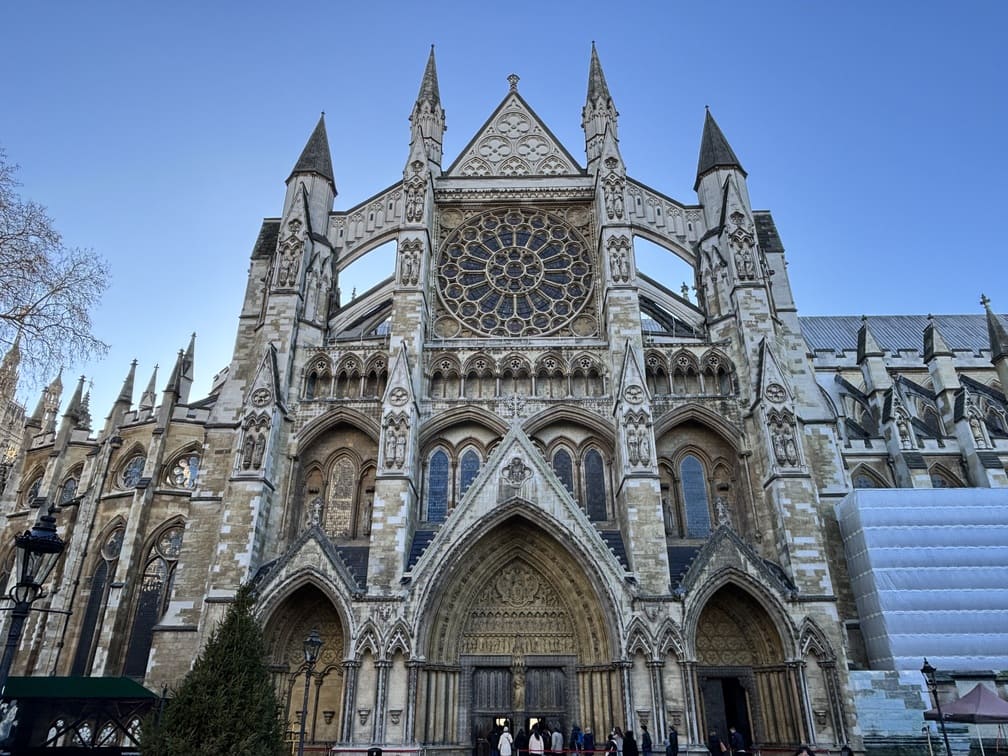
Since the 11th century, it has been associated with the legitimacy of royal power as a coronation site. The Gothic space created after the major renovation in the 13th century is considered one of the masterpieces of English Gothic architecture. The tombs and monuments inside form a space where the history of royal power and cultural history intersect.Literature and National MemoryThere are also places where different types of architecture intersect, so the tour is not limited to religious buildings.
Westminster Palace
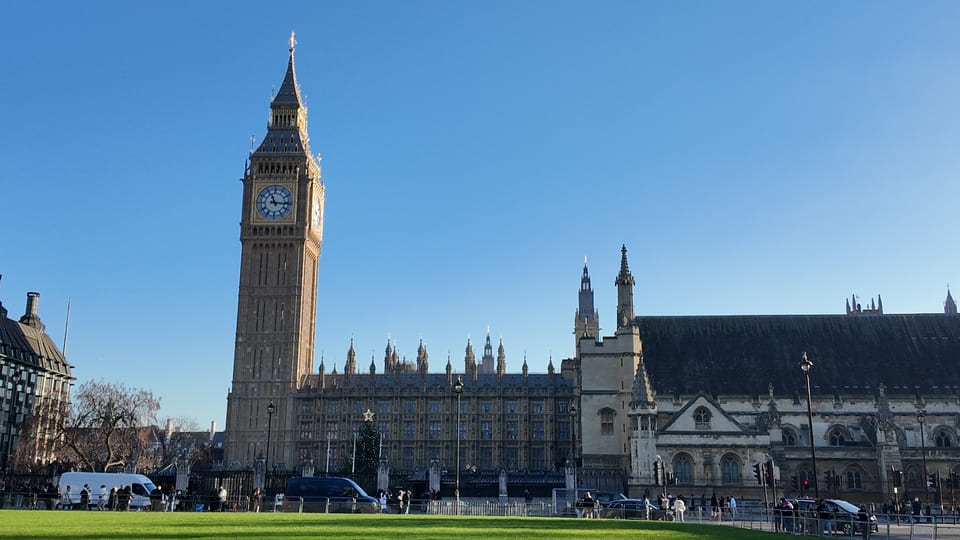
From the medieval royal palace, along with the establishment of a permanent parliamentThe stage of institutional politicsIt changed to the following: the chambers of the House of Commons and House of Lords, committee rooms, lobbies, etc.Spaces that support the operation of constitutional governmentThese are layered structures. The reconstruction after the 1834 fire adopted the Neo-Gothic style, emphasizing the continuity of tradition. The availability and content of public tours may change due to policies and safety measures, so please be sure to check the official website.
St. Margaret's Church
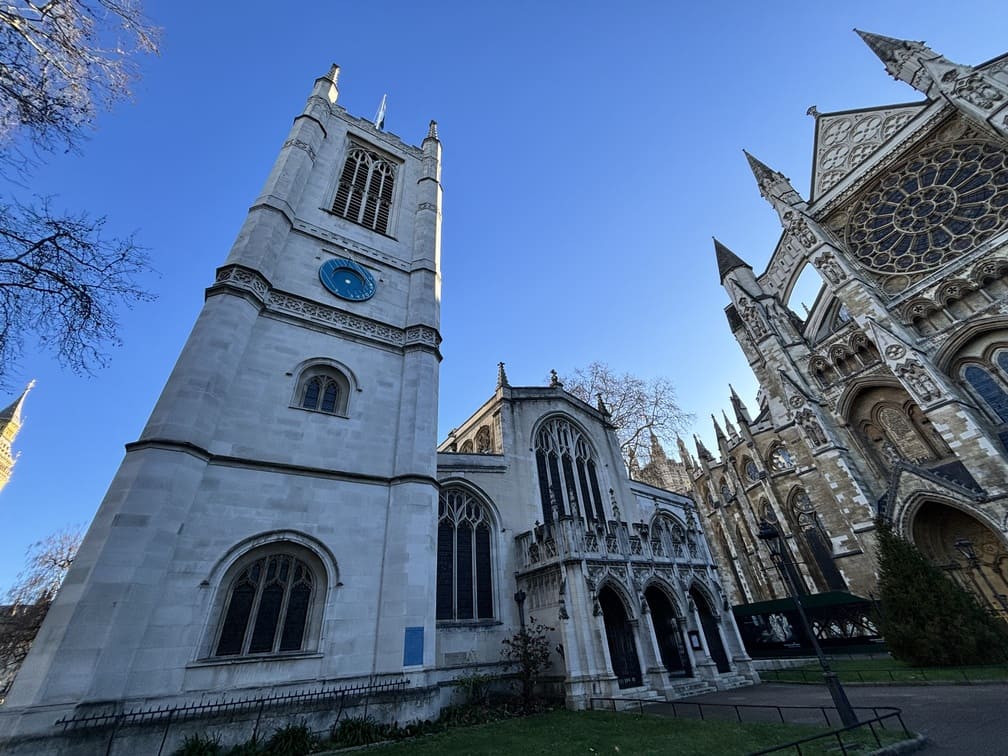
Different from royalty and cathedrals.A religious space close to the publicIt has supported the daily life of the surrounding community and the parliament. The sense of scale, which is different from the grandeur of a cathedral, is that of the "Westminster" district.It wasn't a single monument, but rather a living area.This also serves as proof of the matter.
Highlights and points to note when visiting
- templeThere are differences in plans, such as the availability of guided tours and additional charges for specific areas. The possibility of taking photos inside may also vary depending on the time of year.
- ParliamentAttending hearings or tours requires reservations and security checks. Please note that hearings may be suddenly closed to the public due to terrorism concerns or official events.Official announcement just before the visitThat is certain.
- View of the riverbankThe view from Westminster Bridge helps to deepen your "understanding" of the city's landscape. Be aware of congestion and traffic.
How to walk around the area
The scope of tours and public access varies from facility to facility.UK Public,Westminster Abbey Please check the official website for the latest information at the time of your visit.
As a nearby World Heritage site,Tower of LondonYou can also refer to this article.
Getting around central London is most efficient by combining the Underground and walking, but major tourist attractions get especially crowded during the day.
Reading with institutional history as a guide
BritishParliamentary monarchyIt took a long time for the Palace of Westminster to reach its current form, through power relations after the Ensign, the Civil War and the Glorious Revolution, and electoral reforms from the 19th century onward.Debate/Legislation/SupervisionThis stage has functioned as a venue for such events. I will leave the historical details to specialized books, but if you are aware of "which assembly hall is the result of compromise and innovation in which era" when you visit and examine the documents, you will notice the architectural decorations and layout.The weight of political historyIt becomes easier to perceive.
Even in cathedrals, the coronation is the pinnacle of national ceremonies, and the religious space isSecular legitimacyThis symbolizes the mechanism that connects them. Parish churches like St. Margaret's Church, in the shadow of such grand narratives,Daily faith and communityThis has been the foundation upon which the Westminster district is a World Heritage Site.
English signs and audio guides may contain a lot of technical jargon, but please be aware of this beforehand.Bicameral system of parliamentorconstitutional monarchyMastering the basic vocabulary will reduce the burden. Even reviewing terms at the school textbook level will be quite effective.
summary
Westminster isThe sanctification of monarchy, parliamentary politics, and civil societyThis is a rare example of two things overlapping in the same urban space. It can be said to be an important World Heritage Site not only from the perspective of architectural history, but also when considering the formation of a modern nation-state. WHC emphasizesExchange of architectural stylesandMaterial evidence of parliamentary monarchyWhen you walk around the area with these two axes in mind, the information you read in explanatory articles will connect in a more three-dimensional way.
Focusing your preparation on one of the following themes—Gothic architecture, parliamentary systems, or tombstones of poets and writers—will increase the density of your learning even with the same amount of time spent there. Since explanatory books may contain outdated information depending on the edition, topics sensitive to changes in dates and systems are...English official and WHCPlease verify the information. It's also a good idea to check the traffic information on the morning of the event, as surrounding roads may be restricted due to terrorism concerns or large-scale events.
 English
  日本語
日本語
YouTubeI've also released a vlog I made in 2026 when I actually visited Westminster Abbey and the Palace! Please check it out for a look at the inside of the Houses of Parliament and how to get around the area.