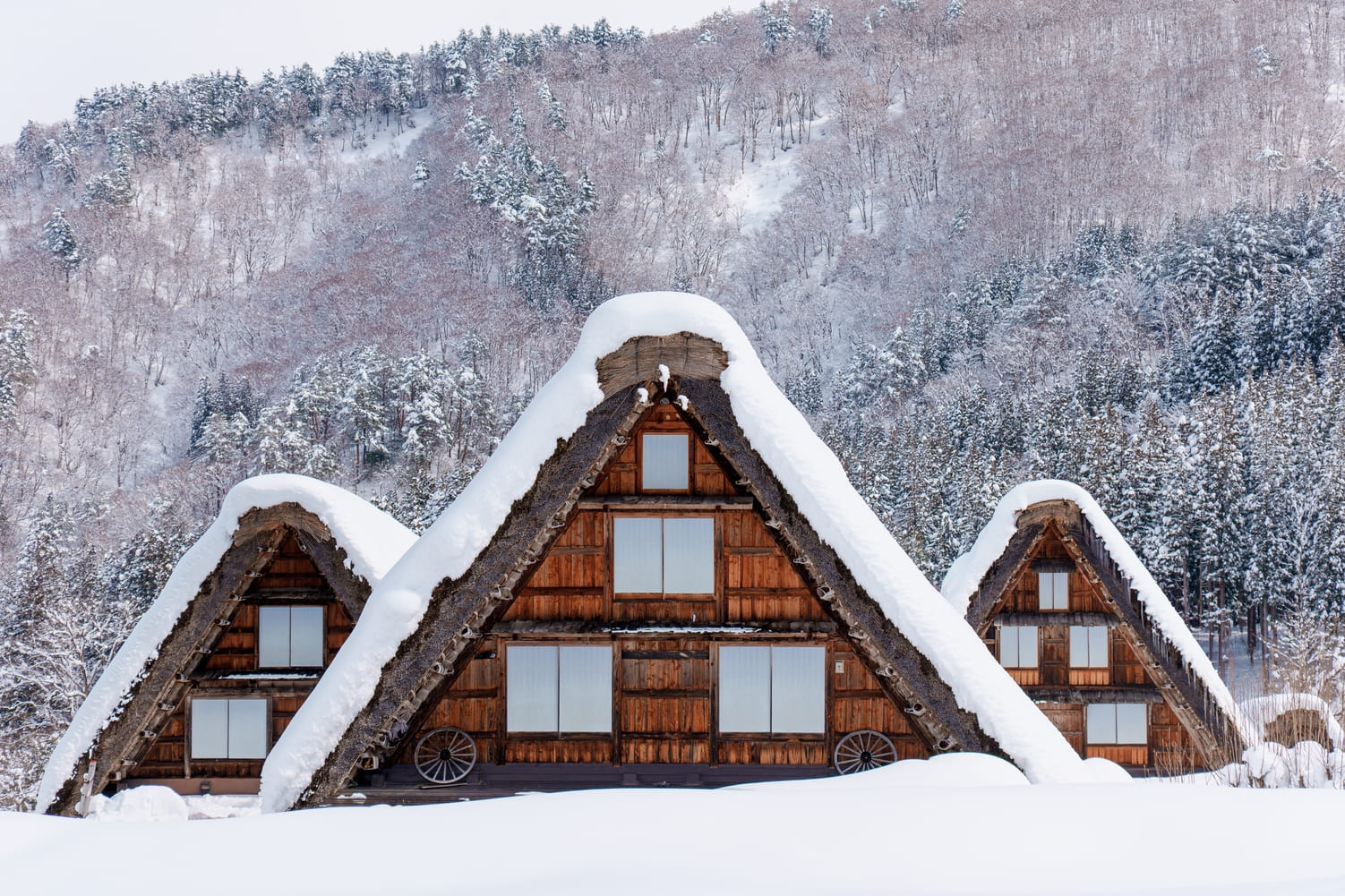
Shirakawa-goKnown primarily forShirakawa-go and Gokayama Gassho-zukuri VillagesIt is located in Shirakawa Village, Gifu Prefecture.Ogimachi and Ainokura in Nanto City, Toyama Prefecture・It consists of three settlements called Suganuma and was designated a World Cultural Heritage site in 1995.Registered. Grown in a mountainous area with heavy snowfall.Gassho-zukuri styleThe densely packed farmhouses create a landscape unlike any other in Japan. This article summarizes the overall picture of the heritage site, its value recognized by UNESCO, its history and way of life, and its highlights and access information.
What are the Gassho-zukuri villages of Shirakawa-go and Gokayama?
The area officially registered as a World Heritage Site is "Shirakawa-go and Gokayama, the Gassho-zukuri Villages."Gassho-zukuri is a type of farmhouse characterized by its steeply pitched thatched roof, a design feature intended to facilitate snow removal. The settlement is located in Shogawa.Located deep in the mountains along the coast, it was once an environment where transportation was difficult, especially during the winter months.
The constituent assets are the following three:
- Ogimachi (Shirakawa-go)Shirakawa Village, Ono District, Gifu Prefecture. Known as a base for tourism, the entire settlement offers a picturesque landscape.
- Ainokura and Suganuma (Gokayama)Located in Nanto City, Toyama Prefecture. The village landscape retains a long-standing tradition of human intervention.
Even if you only visit Shirakawa-go, its value as a World Heritage Site isContext of the entire three settlementsIt becomes easier to understand if you keep in mind that the discussion takes place in the context of traditional settlements (connected to the natural environment).
Reasons for being registered as a World Heritage Site
According to the UNESCO World Heritage Centre, this heritage site is evaluated from the following perspectives:
- Criterion (iv)Adapted to the natural environment and social and economic activities such as sericulture.Traditional human settlementsIt is an excellent example.
- Criteria (v)Even amidst the economic changes in Japan since 1950, the social structure and landscape of the settlements have been preserved.Great significanceThe existence of such things; the preservation of spiritual and physical evidence of a long history.
In other words,Housing and livelihoods suited to the conditions of heavy snowfall and mountainous regions,andA cumulative history of preservation that continues to this day.However, this is the core of its value as a World Heritage Site. For details...UNESCO World Heritage Centre (English)Please refer to the following.

History and life in Gassho-zukuri houses
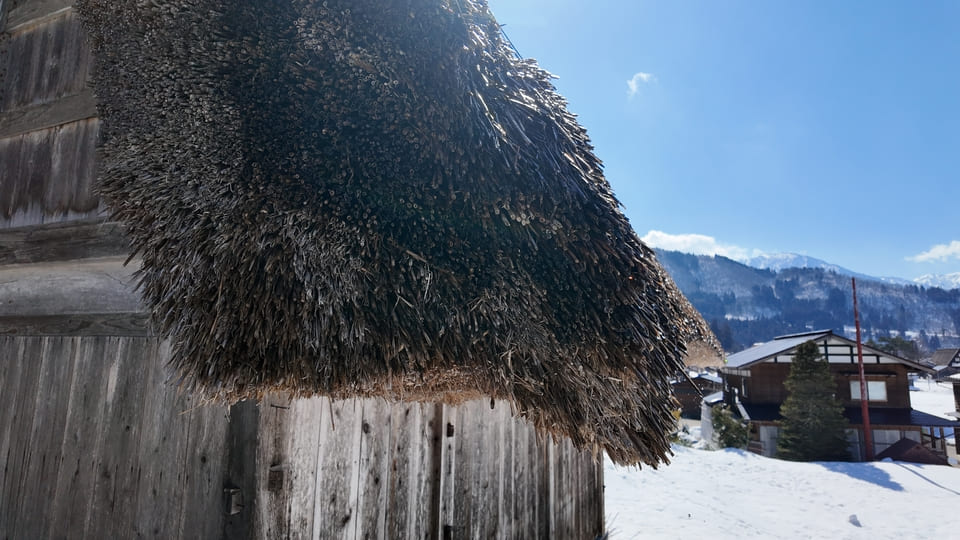
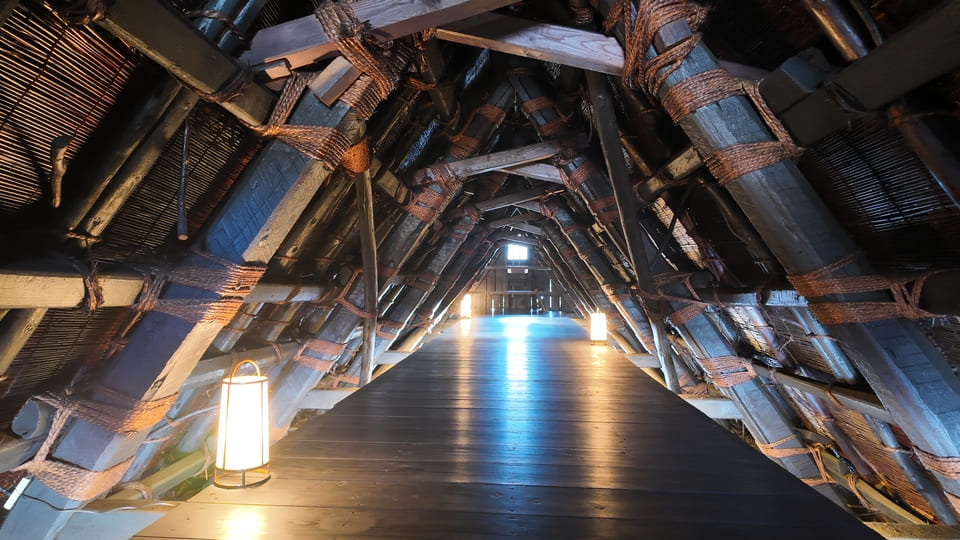
In this region, mulberry cultivation and silkworm farming were closely intertwined with daily life. The large gassho-zukuri houses provided space suitable for these activities and the accommodation of large families, and the steeply pitched thatched roofs developed to withstand heavy snowfall. Due to the long period of isolation from the outside world, the settlements...Regional collaborationIt is believed that the landscape has been preserved through measures such as the maintenance of thatched roofs.
Highlights (Ogimachi, Ainokura, Suganuma; how to enjoy the scenery)
- Ogimachi (Shirakawa-go)The densely packed Gassho-zukuri houses and the panoramic views from the observation deck are popular attractions. The timing and areas of the illuminations vary depending on the year and management, so please check before visiting.Shirakawa-go Tourism AssociationChecking these sources will give you peace of mind.
- Ainokura and SuganumaThe villages on the Gokayama side offer a different kind of charm compared to Ogimachi, with opportunities for quiet strolls and exposure to folk villages and exhibits showcasing local life. Please also check out the tourist information for Nanto City and Gokayama.
bothsettlements, which are living areasPlease refrain from trespassing on private property, using drones for photography, or making loud noises. Please follow local instructions and etiquette.
Access and Basic Information
OgimachiAccess to the area is generally by bus or private car from Nagoya, Takayama, or Kanazawa. Routes, travel times, and winter service vary by season.Shirakawa-go Tourism AssociationPlease check the latest information on the official website of the transportation provider.Ainokura and SuganumaFor information on public transportation and parking on the Toyama Prefecture side, it's best to check the official tourism website for Nanto City and the Gokayama area.
Facilities offering interior tours of private homes, paid areas, and parking fees are set individually. Please follow the information provided on the day of your visit.
DetailsUNESCO World Heritage CentrePlease also refer to primary sources from local governments and tourism associations.
Regarding other World Heritage sites in Japan,Itsukushima Shrine,Himeji Castle,Shrines and temples of NikkoPlease also see the related article.
summary
The Shirakawa-go and Gokayama Gassho-zukuri villages are a World Cultural Heritage site where the Gassho-zukuri houses and the village landscape, nurtured in the snow-covered mountains, are seamlessly integrated. Please be aware of the roles of Ogimachi, Ainokura, and Suganuma, observe proper etiquette, and check official access information before visiting.
If you'd like to see a video showcasing the highlights of this heritage site and the local atmosphere, please click below.
 English
  日本語
日本語
YouTubeI've also released a vlog I made in 2025 when I actually visited the Shirakawa-go village! Please check it out to see the impressive gassho-zukuri roofs, the scenery of the village, the flow of my walk, the seasonal atmosphere, and gourmet information.